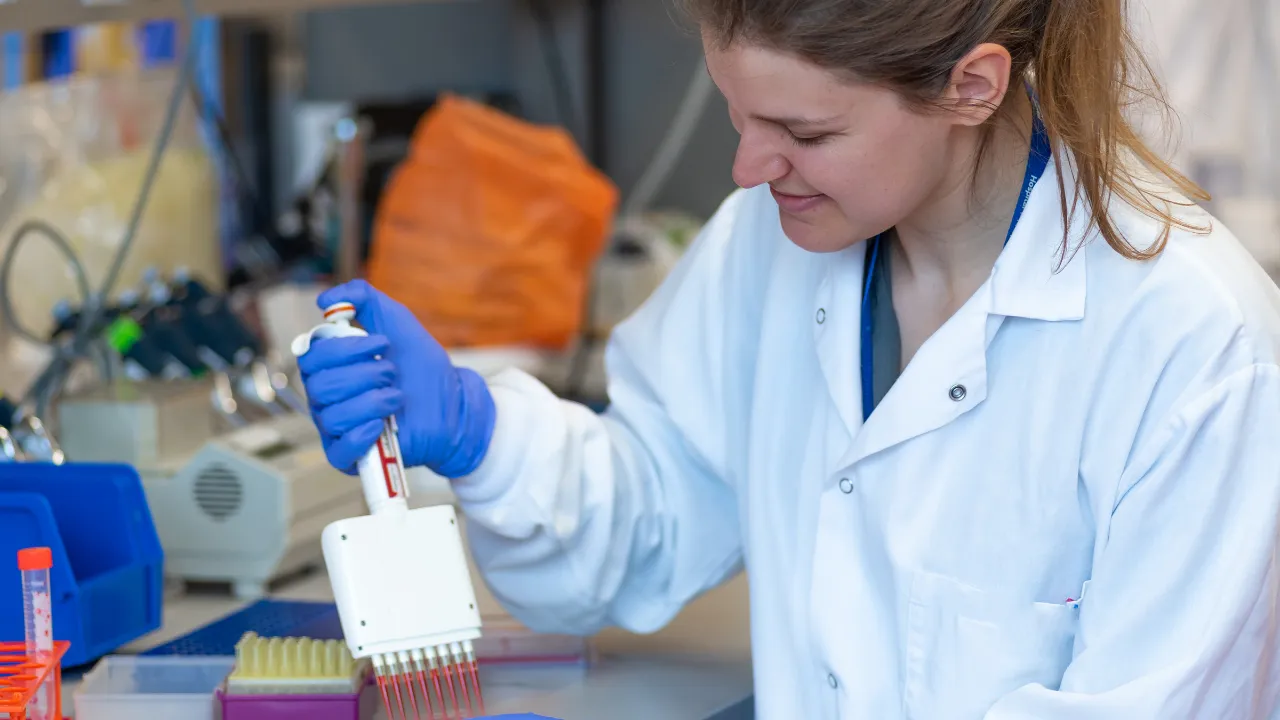
Flow cytometry has become an extremely popular technique for analyzing cell characteristics and function in detail. It is especially attractive when cells are obtained directly from in vivo samples for analysis. However, this approach comes with several constraints and limitations. In this blog post, we explain in detail the main constraints encountered when isolating cells from in vivo samples and performing flow cytometry analysis, and how to overcome them.
Main constraints and caveats:
- Cell damage: Physical or enzymatic isolation processes can affect the morphology and function of cells. In particular, cell surface markers may change.
Countermeasure: By selecting an appropriate isolation method and keeping processing time to the minimum necessary, cell damage can be minimized. - Incomplete isolation: Not all tissue types and cell types are isolated with the same efficiency.
Countermeasure: It is important to select the optimal isolation protocol according to the characteristics of the sample. - Loss of cell-cell interactions: In the in vivo state, cell-cell interactions and the microenvironment play important roles.
Countermeasure: By considering co-culture of cells or culture under specific conditions, some cell-cell interactions can be reproduced. - Effect of dead cells: Dead cells may increase during the isolation process, which can affect the results of the analysis.
Countermeasure: By considering dead cell removal kits or culture at an appropriate cell concentration, the effect of dead cells can be minimized. - Background noise: With isolation from tissue, extracellular debris and fragments may be present in the sample.
Countermeasure: By performing appropriate centrifugation and filtering, debris and fragments can be removed. - Variation in marker expression: When cells are isolated from the in vivo state, the expression of their surface markers and intracellular molecules may vary.
Countermeasure: By analyzing the isolated cells promptly or optimizing the storage conditions, variation in expression can be minimized. - Time constraints: Especially when handling human or animal samples, if the time from sample collection to analysis becomes long, the state of the cells may change.
Countermeasure: It is important to streamline the process from sample collection to analysis and complete processing in the minimum time necessary. - Sample constraints: Some tissues and cells can be difficult to isolate or analyze.
Countermeasure: It is important to consult the literature and research in advance and select a method suited to the specific sample. - Complexity of multicolor analysis: When using many fluorochromes simultaneously, problems of spectral overlap and compensation can arise.
Countermeasure: By performing spectral overlap compensation and selecting appropriate fluorochromes, accurate analysis can be performed.
Conclusion:
Flow cytometry is an extremely powerful tool, and by considering appropriate techniques and caveats, high-quality data can be obtained. Use the constraints and countermeasures above as a reference and aim for more reliable analysis.