
THE EXOSOME FRONTIER · The frontier of extracellular-vesicle research Fighting disease
Fighting disease
with the power of cells.
The global frontier of exosome & extracellular-vesicle (EV) research, read in depth and shared in six languages. Close readings of notable papers, every week.
98+
papers analyzed
6
languages
∞
cellular potential
LIVE-CELL IMAGING
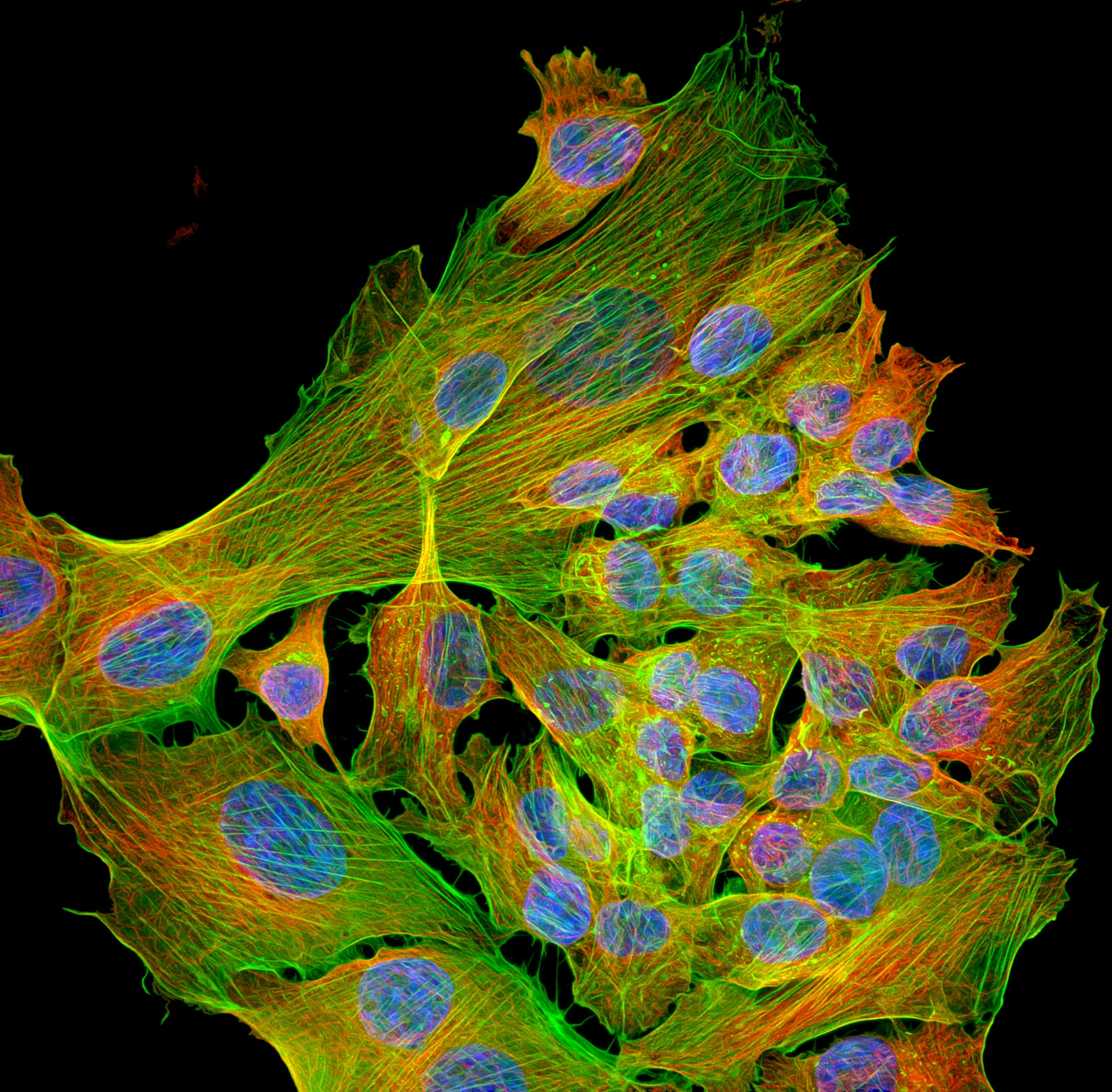
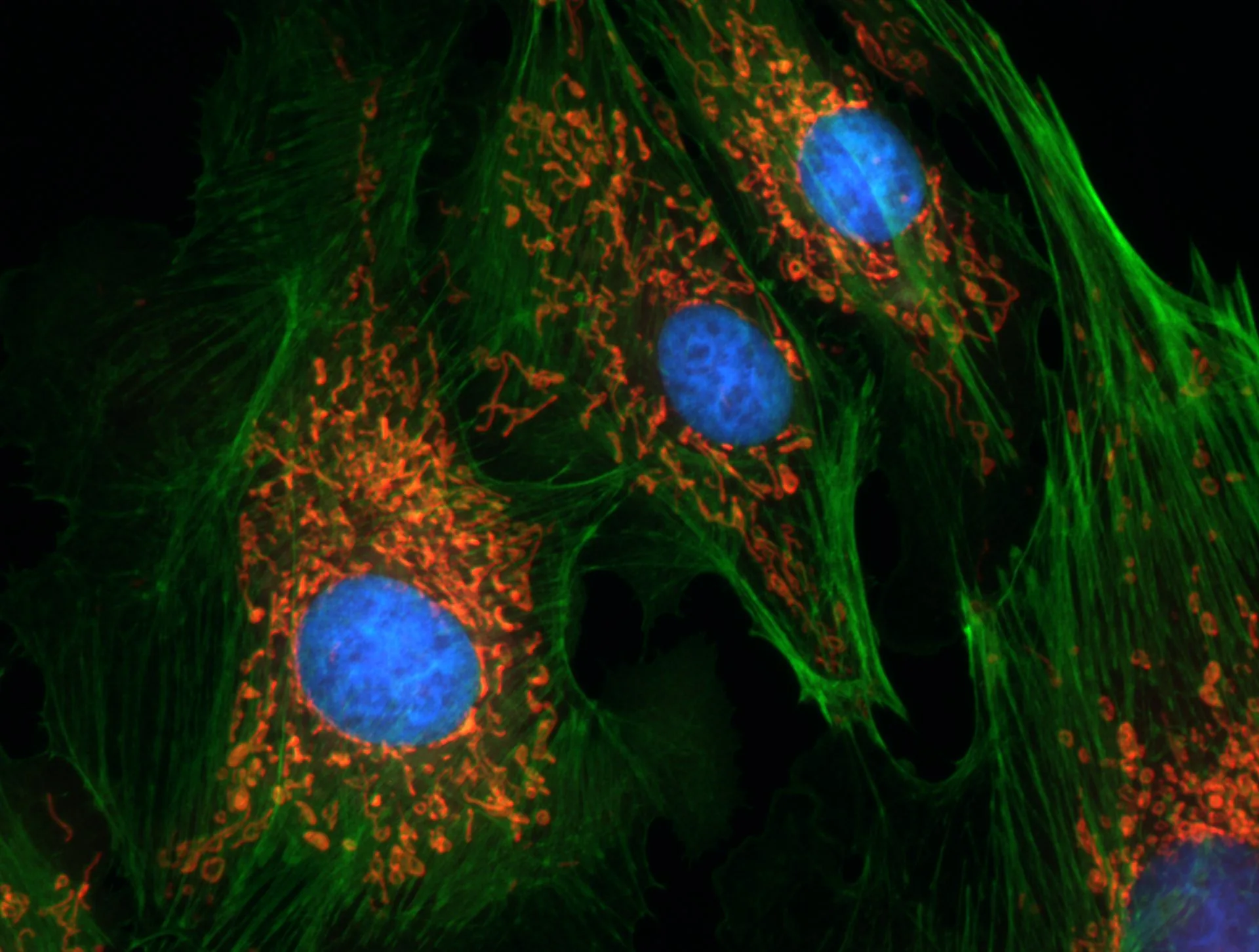
The green puncta are intracellular exosomes (extracellular vesicles). Live-cell imaging of vesicle biogenesis and transport inside living MSCs (mesenchymal stem cells).
// LATEST RESEARCH
Latest paper analyses
Neuroscience
2026-10-11
The Original Wiring May Not Be Essential—in Repairing Spinal Cord Injury, the Question Is "When" to Combine Biology and Engineering
Unless the severed wiring is reconnected exactly as it was, there can be no recovery from spinal cord injury—decades of research have been shaking this premise. Biology that grows and guides; engineering that wakes dormant circuits and trains them. A 2019 review in Nature Medicine lays these two toolboxes side by side and argues that combinations should be designed not as simple addition but around the interactions between mechanisms and their timing. Dr. Exotaro reads it, adding what has happened since, up to 2026.
解説を読む →
Drug Delivery
2026-10-08
The mRNA vaccine's 'booster' was not the contents but the container — the ionizable lipid hits TLR4 and sets off innate immunity
mRNA vaccines contain no adjuvant, yet immunity is strong. A 2025 npj Vaccines study: empty LNPs with no mRNA switched on innate immunity via the ionizable lipid and TLR4, and adding mRNA added nothing.
解説を読む →
Drug Delivery
2026-10-08
Counting mRNA-Carrying Lipid Nanoparticles One at a Time — The Average Load Was 2.8 mRNA Molecules, and 8 Out of 10 Particles Were Running 'Empty'
The 'encapsulation efficiency 94%' on an LNP spec sheet counts mRNA, not particles. A 2022 Nature Communications paper counted one particle at a time: mean 2.80 copies, mode 2, 77% carrying none.
解説を読む →
Extracellular Vesicles
2026-10-06
An 'extra-large bag' bigger than 600 nanometers calls in blood vessels — and the push behind its release came from the 'off' form of Rab18
An 'extra-large extracellular vesicle' (XLEV), far bigger than an exosome, is released from the region around the cell nucleus loaded with sonic hedgehog, the molecule that shapes the body. The work comes from the University of Tokyo. The surprise was that what pushed that release was the 'off' form of a protein called Rab18 — a logic that contrasts with conventional models, which have emphasized the GTP-bound form.
解説を読む →
Drug Delivery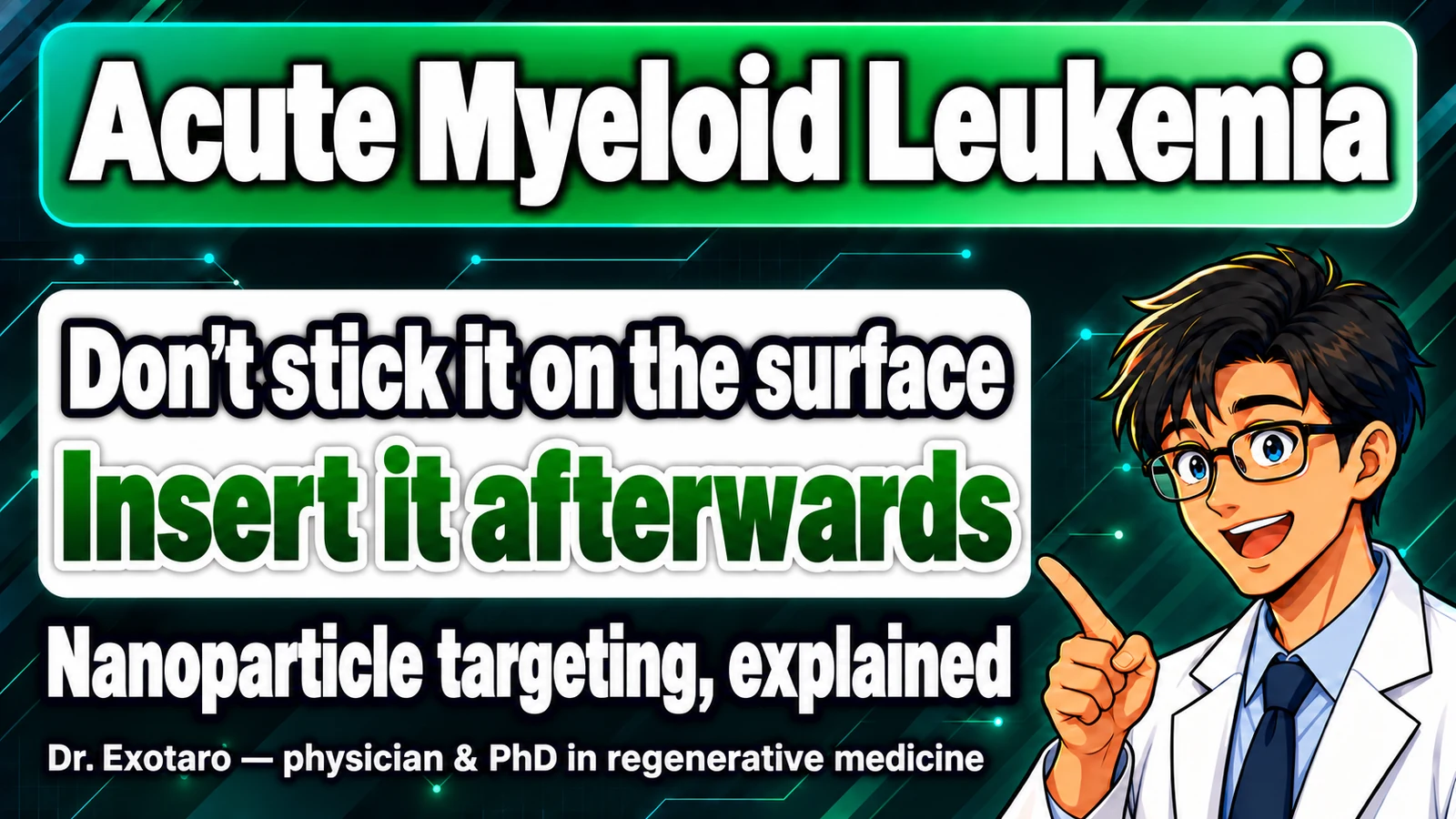
2026-10-03
Giving a drug-carrying lipid nanoparticle (LNP) an address label: don't stick it on the surface, insert it afterwards. Before or after dialysis, the particle's fate changed
A 2022 formulation paper tackles one thing: how to give an LNP its address label. Direct surface coupling swelled the particles to 153 nm; inserting after dialysis held them to 93 nm.
解説を読む →
Latest Papers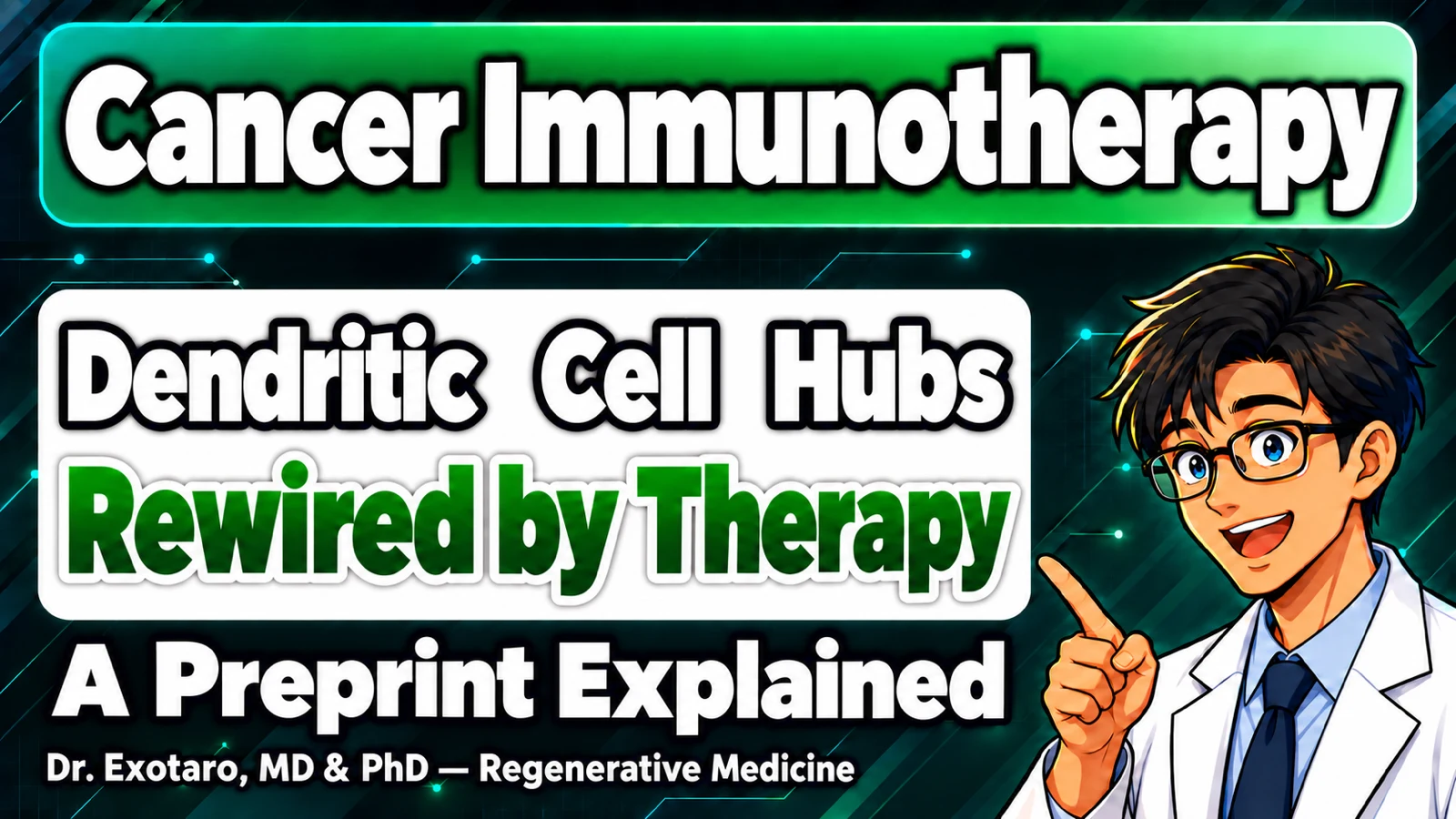
2026-09-30
[Preprint Explained] The Two Kinds of Dendritic Cell Hubs Inside Tumors: What Immunotherapy Clearly Changed Was Not Gene Expression but Spatial Arrangement
Where inside a tumor do dendritic cells, the command centers of immunity, gather, and who are their neighbors? This article explains a preprint, not yet peer reviewed, that brings together single-cell analysis of 28 human and 12 mouse datasets, spatial transcriptomics of human colorectal cancer, and multiplexed imaging of more than 1.4 million cells in mouse melanoma. After immunotherapy, the detectable changes in the transcriptional states of dendritic cells were minimal, whereas their spatial arrangement clearly changed.
解説を読む →
Neuroscience
2026-10-11
The Original Wiring May Not Be Essential—in Repairing Spinal Cord Injury, the Question Is "When" to Combine Biology and Engineering
Unless the severed wiring is reconnected exactly as it was, there can be no recovery from spinal cord injury—decades of research have been shaking this premise. Biology that grows and guides; engineering that wakes dormant circuits and trains them. A 2019 review in Nature Medicine lays these two toolboxes side by side and argues that combinations should be designed not as simple addition but around the interactions between mechanisms and their timing. Dr. Exotaro reads it, adding what has happened since, up to 2026.
解説を読む →
Drug Delivery
2026-10-08
The mRNA vaccine's 'booster' was not the contents but the container — the ionizable lipid hits TLR4 and sets off innate immunity
mRNA vaccines contain no adjuvant, yet immunity is strong. A 2025 npj Vaccines study: empty LNPs with no mRNA switched on innate immunity via the ionizable lipid and TLR4, and adding mRNA added nothing.
解説を読む →
Drug Delivery
2026-10-08
Counting mRNA-Carrying Lipid Nanoparticles One at a Time — The Average Load Was 2.8 mRNA Molecules, and 8 Out of 10 Particles Were Running 'Empty'
The 'encapsulation efficiency 94%' on an LNP spec sheet counts mRNA, not particles. A 2022 Nature Communications paper counted one particle at a time: mean 2.80 copies, mode 2, 77% carrying none.
解説を読む →
Extracellular Vesicles
2026-10-06
An 'extra-large bag' bigger than 600 nanometers calls in blood vessels — and the push behind its release came from the 'off' form of Rab18
An 'extra-large extracellular vesicle' (XLEV), far bigger than an exosome, is released from the region around the cell nucleus loaded with sonic hedgehog, the molecule that shapes the body. The work comes from the University of Tokyo. The surprise was that what pushed that release was the 'off' form of a protein called Rab18 — a logic that contrasts with conventional models, which have emphasized the GTP-bound form.
解説を読む →
Drug Delivery
2026-10-03
Giving a drug-carrying lipid nanoparticle (LNP) an address label: don't stick it on the surface, insert it afterwards. Before or after dialysis, the particle's fate changed
A 2022 formulation paper tackles one thing: how to give an LNP its address label. Direct surface coupling swelled the particles to 153 nm; inserting after dialysis held them to 93 nm.
解説を読む →
Latest Papers
2026-09-30
[Preprint Explained] The Two Kinds of Dendritic Cell Hubs Inside Tumors: What Immunotherapy Clearly Changed Was Not Gene Expression but Spatial Arrangement
Where inside a tumor do dendritic cells, the command centers of immunity, gather, and who are their neighbors? This article explains a preprint, not yet peer reviewed, that brings together single-cell analysis of 28 human and 12 mouse datasets, spatial transcriptomics of human colorectal cancer, and multiplexed imaging of more than 1.4 million cells in mouse melanoma. After immunotherapy, the detectable changes in the transcriptional states of dendritic cells were minimal, whereas their spatial arrangement clearly changed.
解説を読む →
// INSTAGRAM · ⟳ auto
// YOUTUBE · long-form only · ⟳ auto
YouTube
 ▶
▶2026-10-07
【プレプリント解説】免疫療法で変わったのは「並び方」だった——がんの中で、免疫の司令塔・樹状細胞がつくる2つの拠点
 ▶
▶2026-10-07
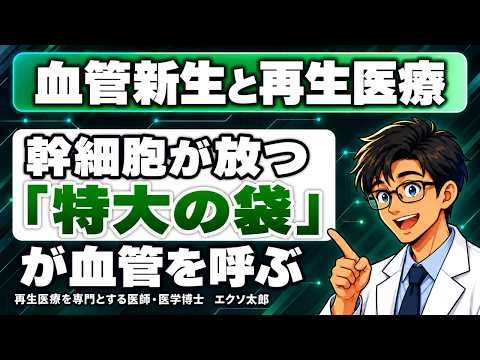
【血管を呼ぶ「特大の袋」】エクソソームの何倍もある小胞が、核のまわりからだけ出ていく|Rab18のオフが放出を押していた
 ▶
▶2026-09-30
抗体で狙い、エクソソームで運ぶ——設計図はできた。ただし試作機の報告はなく、狙う抗原の名前も書かれていない
 ▶
▶2026-08-01
幹細胞でALSは治るのか——主要評価項目を外した第3相が、それでも教えてくれたこと【NurOwn / MSC-NTF】
 ▶
▶2026-07-29
脊髄損傷で本当に困るのは「歩けない」ではなかった——抗RGMa抗体エレザヌマブがラットの膀胱にしたこと【前臨床研究】
 ▶
▶2026-07-26
ミトコンドリアは壊れたのに、ATPは増えていた——再生できないカエルの脊髄で何が起きていたのか【前臨床研究】
 ▶
▶2026-07-24
考えるだけで麻痺した手が動き、切れたはずの触覚まで戻る——「完全麻痺は治らない」に挑んだ「二重神経バイパス」を完全解説
 ▶
▶2026-07-20
老いた肝臓の「掃除機能」は取り戻せるのか——へその緒の幹細胞エクソソームが運ぶTHBS1【前臨床研究】
 ▶
▶2026-07-20
太った膵臓は“隣の幹細胞”にSOSを送っていた——β細胞が放つmiR-151小包の正体【前臨床研究】
 ▶
▶2026-05-31
抜いた髪の毛が“再生医療の宝”に——毛包に眠る幹細胞とエクソソーム最前線【前臨床研究】毛包由来幹細胞 書き出し
 ▶
▶2025-10-04
慢性期脊髄損傷に光 点滴は回数がカギ 骨髄間葉系幹細胞で歩行が伸びる?
 ▶
▶2025-10-01
【脊髄損傷】MSC点滴で“バイパス”が太る―赤核脊髄路を可視化
 ▶
▶2025-09-27
脊髄損傷 本線は切れても動きは戻る 骨髄間葉系幹細胞が開く回復のう回路
 ▶
▶2025-09-24
もの忘れが治る?幹細胞が脳の血管を修理する時代
 ▶
▶2025-09-20
一回の幹細胞点滴で寿命が伸びる!? 論文解説
 ▶
▶2025-09-17
慢性期脳損傷に挑む!骨髄間葉系幹細胞治療の新しい可能性
※ Shorts are not listed; long-form videos only.
// ALL ARTICLES
All articles
Neuroscience
2026-10-11
The Original Wiring May Not Be Essential—in Repairing Spinal Cord Injury, the Question Is "When" to Combine Biology and Engineering
Unless the severed wiring is reconnected exactly as it was, there can be no recovery from spinal cord injury—decades of research have been shaking this premise. Biology that grows and guides; engineering that wakes dormant circuits and trains them. A 2019 review in Nature Medicine lays these two toolboxes side by side and argues that combinations should be designed not as simple addition but around the interactions between mechanisms and their timing. Dr. Exotaro reads it, adding what has happened since, up to 2026.
解説を読む →
Drug Delivery
2026-10-08
The mRNA vaccine's 'booster' was not the contents but the container — the ionizable lipid hits TLR4 and sets off innate immunity
mRNA vaccines contain no adjuvant, yet immunity is strong. A 2025 npj Vaccines study: empty LNPs with no mRNA switched on innate immunity via the ionizable lipid and TLR4, and adding mRNA added nothing.
解説を読む →
Drug Delivery
2026-10-08
Counting mRNA-Carrying Lipid Nanoparticles One at a Time — The Average Load Was 2.8 mRNA Molecules, and 8 Out of 10 Particles Were Running 'Empty'
The 'encapsulation efficiency 94%' on an LNP spec sheet counts mRNA, not particles. A 2022 Nature Communications paper counted one particle at a time: mean 2.80 copies, mode 2, 77% carrying none.
解説を読む →
Extracellular Vesicles
2026-10-06
An 'extra-large bag' bigger than 600 nanometers calls in blood vessels — and the push behind its release came from the 'off' form of Rab18
An 'extra-large extracellular vesicle' (XLEV), far bigger than an exosome, is released from the region around the cell nucleus loaded with sonic hedgehog, the molecule that shapes the body. The work comes from the University of Tokyo. The surprise was that what pushed that release was the 'off' form of a protein called Rab18 — a logic that contrasts with conventional models, which have emphasized the GTP-bound form.
解説を読む →
Drug Delivery
2026-10-03
Giving a drug-carrying lipid nanoparticle (LNP) an address label: don't stick it on the surface, insert it afterwards. Before or after dialysis, the particle's fate changed
A 2022 formulation paper tackles one thing: how to give an LNP its address label. Direct surface coupling swelled the particles to 153 nm; inserting after dialysis held them to 93 nm.
解説を読む →
Latest Papers
2026-09-30
[Preprint Explained] The Two Kinds of Dendritic Cell Hubs Inside Tumors: What Immunotherapy Clearly Changed Was Not Gene Expression but Spatial Arrangement
Where inside a tumor do dendritic cells, the command centers of immunity, gather, and who are their neighbors? This article explains a preprint, not yet peer reviewed, that brings together single-cell analysis of 28 human and 12 mouse datasets, spatial transcriptomics of human colorectal cancer, and multiplexed imaging of more than 1.4 million cells in mouse melanoma. After immunotherapy, the detectable changes in the transcriptional states of dendritic cells were minimal, whereas their spatial arrangement clearly changed.
解説を読む →
Extracellular Vesicles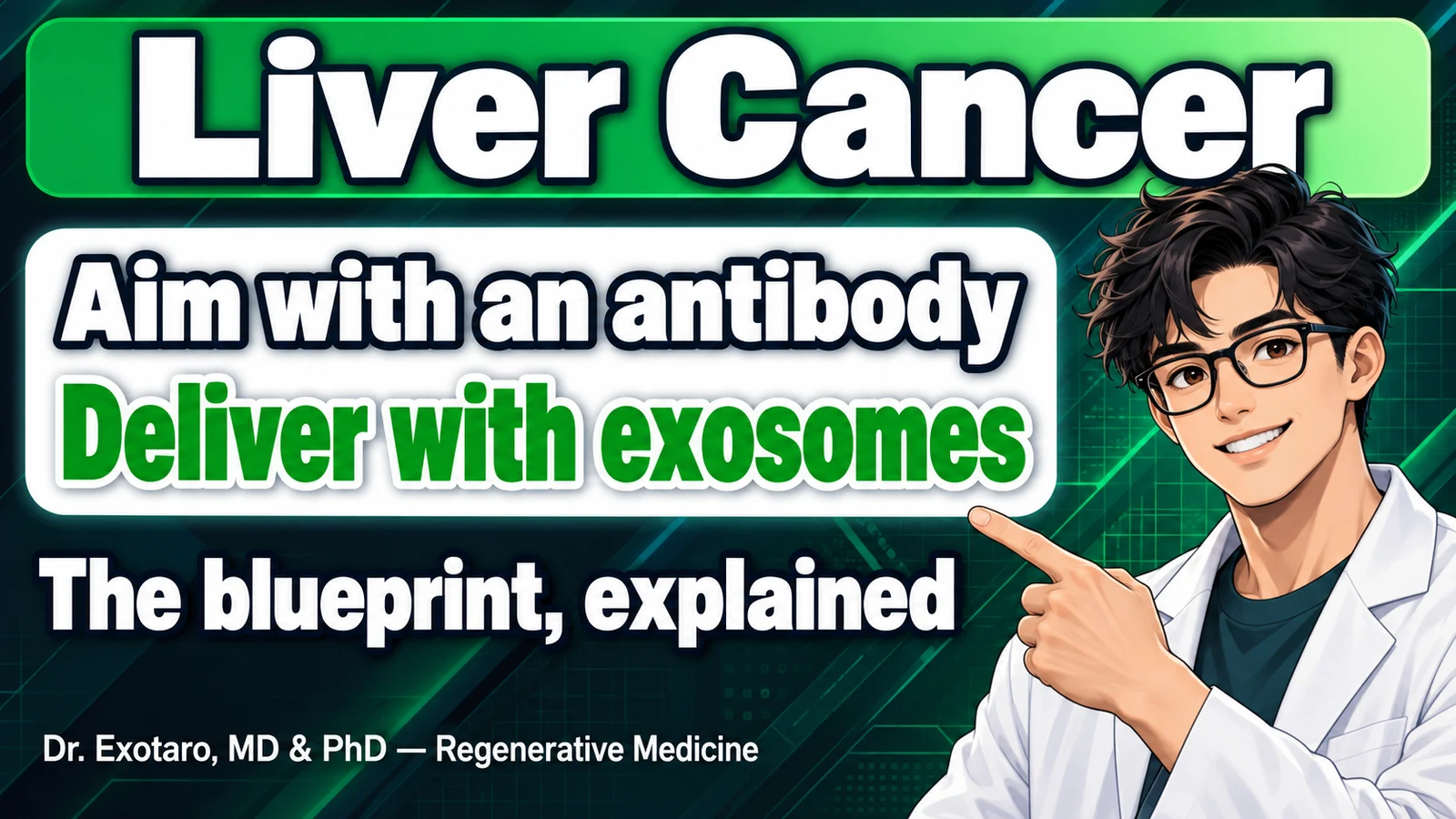
2026-09-29
Loading Antibody-Drug Conjugates onto Exosomes to Target Liver Cancer — Yet This Review Never Names the Antigen the Antibody Is Meant to Hit, or the Drugs It Would Be Compared Against
A review sketching a blueprint for immuno-exosomes in hepatocellular carcinoma. Yet it names neither the target antigen nor any approved comparator drug. The authors themselves call it speculative.
解説を読む →
Stem Cell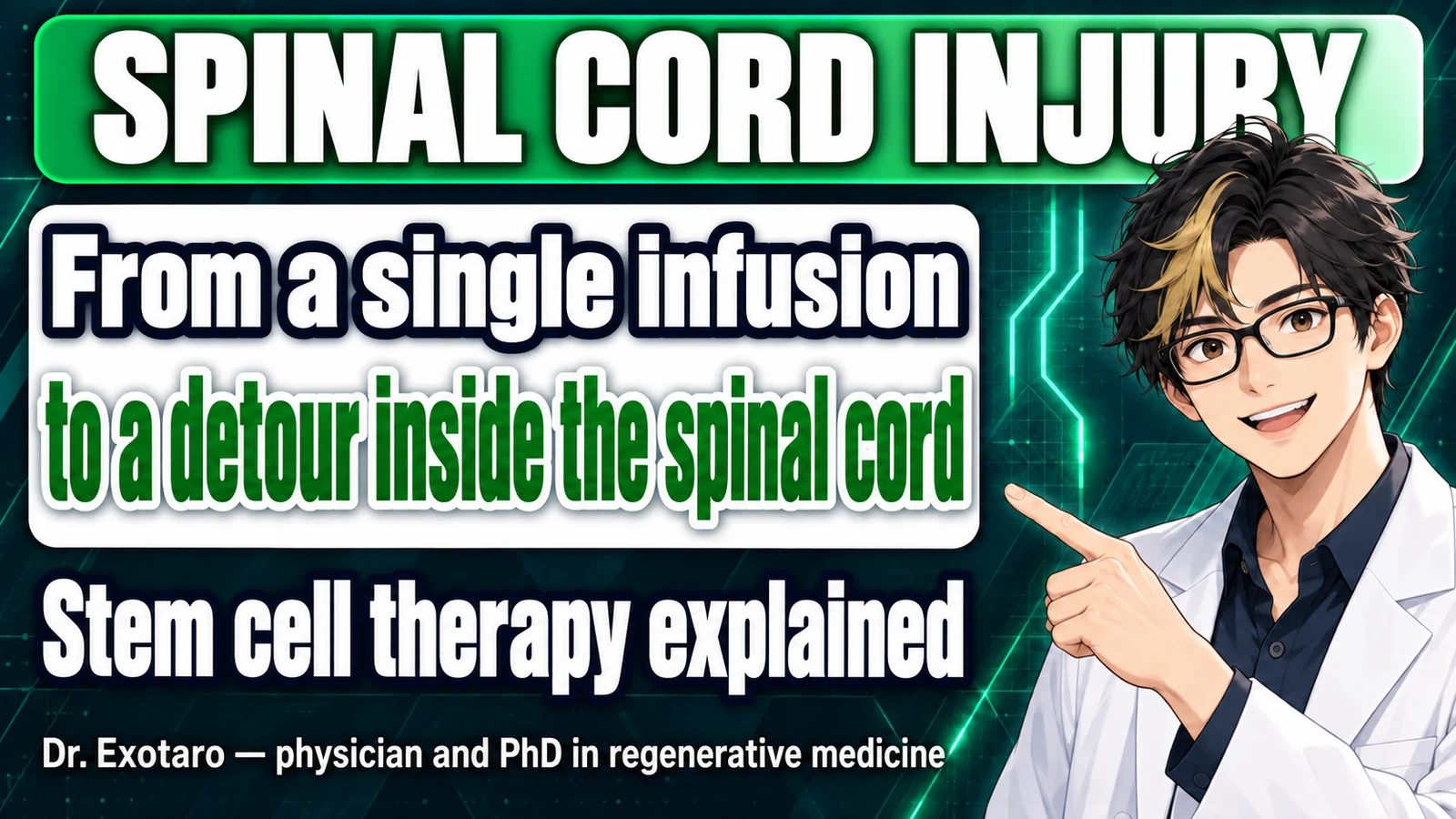
2026-09-16
Stem Cells Given by IV to Rats Whose Spinal Cords Were Cut in Two Places—at the Upper Lesion a Detour Formed to the Outside, at the Lower One a Different Route Crossed to the Other Side
Rats had their spinal cords hemisected at two separated levels—the right side at T7 and the left side at T12—and received a single intravenous dose of bone-marrow-derived mesenchymal stem cells the day after injury. At 28 days the motor score was 12.2 versus 5.4. The nerve pathways drawn from nine hours of 7-tesla MRI on the excised cords had built a detour to the outside at the rostral lesion. At the caudal lesion, however, what stood out was not a lateral detour but a route crossing the midline to the opposite side. Dr. Exotaro reads a preclinical study.
解説を読む →
MSC Exosome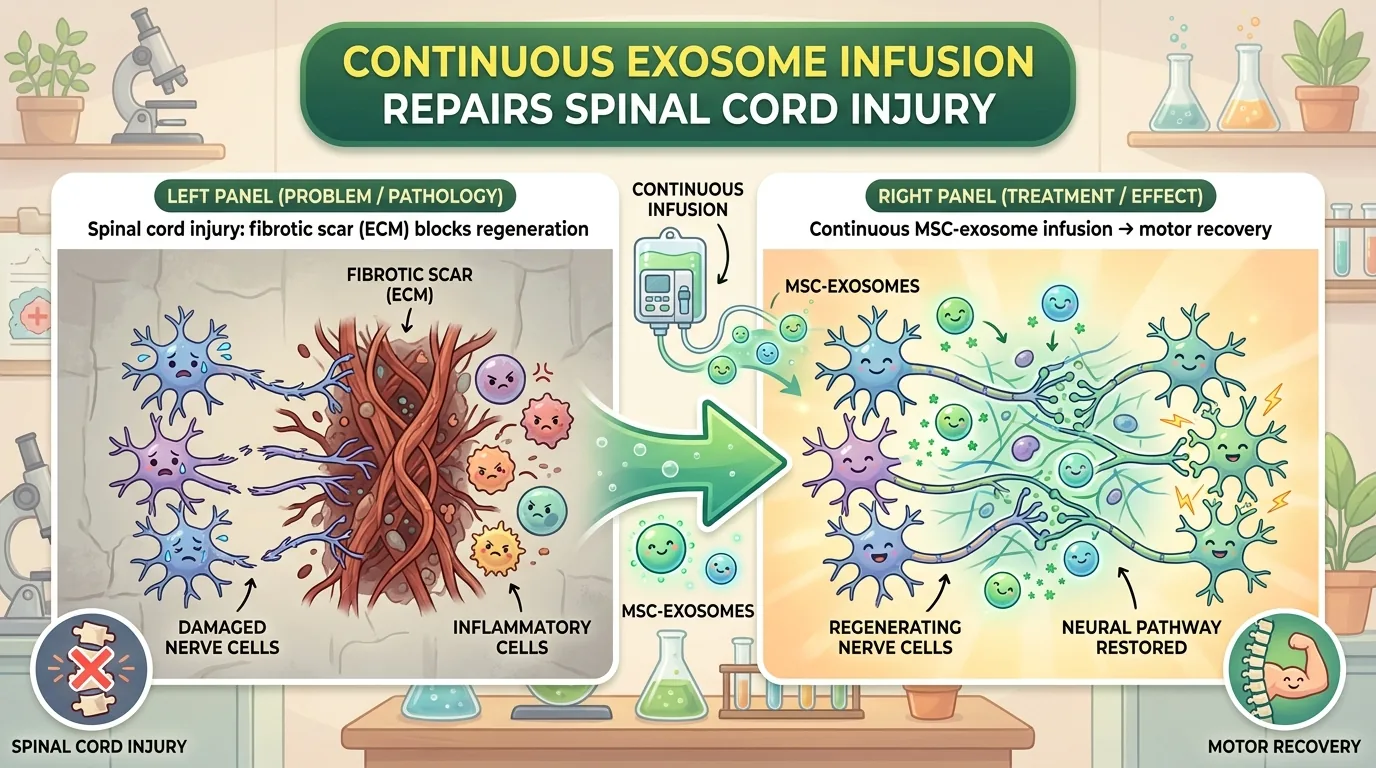
2026-09-16
Doubling the Injected Dose Did Not Improve Recovery — In Spinal Cord–Injured Rats, What Was Deciding Whether the Exosomes Worked
Small extracellular vesicles (sEVs) from human bone marrow MSCs, delivered to spinal cord–injured rats either as daily injections or as a continuous infusion from an osmotic pump. At the same total dose of 9.2 μg, only the group infused continuously for six days climbed to a BBB score of 12.9±0.9, while the same amount split into six injections stalled at 8.6±0.9. Doubling the injected dose changed nothing against the three-day schedule, and collagen 1 at the lesion was also significantly lower under continuous infusion than under injections of the same total amount. Dr. Exotaro reads a preclinical rat study.
解説を読む →
MSC Exosome
2026-09-09
Taking On Spinal Cord Injury With Vesicles Released by Stem Cells From Discarded Teeth — But the Molecule Cast as the Active Ingredient Was a Part of the Cell's “Garbage Disposal Plant”
Extracted wisdom teeth and baby teeth—this paper takes on spinal cord injury with exosomes from stem cells harvested from teeth that would normally be thrown away. The authors compared 3 kinds of stem cells on the same footing and chose dental pulp, narrowed 727 proteins down to a candidate called PSMD1, a “part of the proteasome,” and report that it tipped microglia toward the M2 side. But the treatment was tried only in cultured cells and mice. Dr. Exotaro reads through this preclinical study.
解説を読む →
MSC Exosome
2026-09-09
Rewriting the Blueprint of the Cell That Makes the Sac, Not the Sac Itself — But This Review Prints Not a Single p-Value, Dose, or n
A review that takes on insulin resistance with gene-modified MSC exosomes loaded with miR-21 and SIRT3. But it contains not a single experiment by the authors themselves, prints not one p-value, dose, or n, and cites not one clinical trial targeting insulin resistance in humans. Dr. Exotaro reads through a review that stays preclinical.
解説を読む →
MSC Exosome
2026-09-09
Forty Days in Culture, and the Vesicles' Size, Markers, and Yield Were All Reported Stable — Yet Inside Them 1,618 Proteins Shifted in Amount Between Early and Late, and Efficacy Was Never Tested
An original research paper that ran human bone marrow–derived MSCs continuously in a hollow fiber bioreactor for about 40 days and kept harvesting the small extracellular vesicles (sEVs) that came out, four times a week. The paper reports that particle size, markers, and yield were stable (no numerical value for particle size appears in the main text), while mass spectrometry found 1,618 proteins differentially altered between Phase 3 and Phase 1. It is entirely a story from inside a culture device, and whether the later vesicles work was never measured once.
解説を読む →
Stroke
2026-09-09
Betting the Umbilical Cord's "Young Cells" on Stroke — Yet Among 285 References, Not One Stroke Clinical Trial Is Explicitly Identified as Wharton's Jelly-Derived
We read a review that promotes the "young" mesenchymal stem cells harvested from the umbilical cord jelly thrown away at every birth, along with their secreted products, as the trump card of post-stroke regenerative medicine. There are no new data, and no literature search procedure is written down. And among its 285 references, there was not a single clinical trial that gave stroke patients material explicitly identified as Wharton's jelly-derived.
解説を読む →
Stroke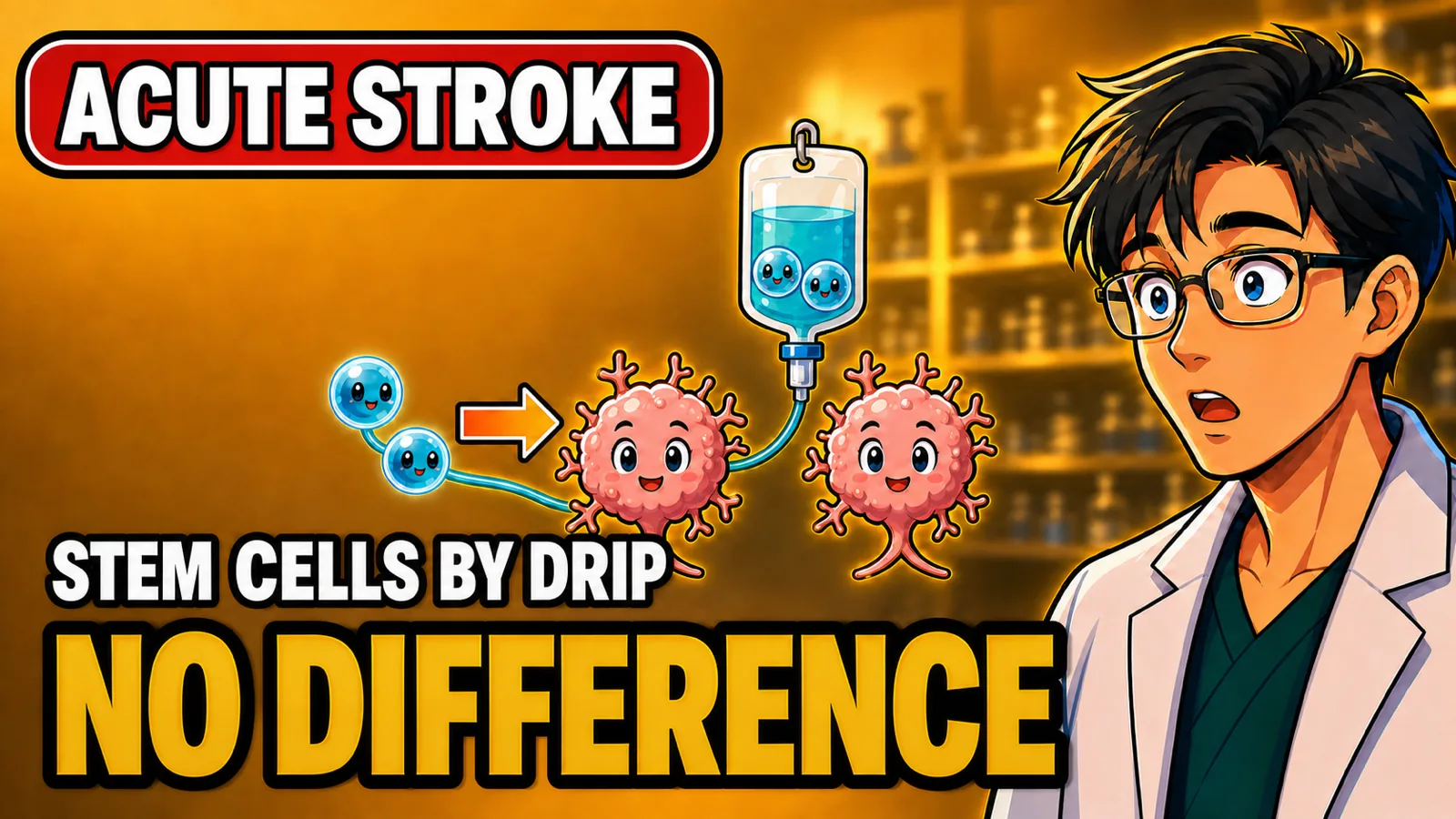
2026-08-04
What Happened When Stem Cells Were Infused for Acute Ischaemic Stroke — MASTERS and the Answer 'No Difference'
1.2 billion allogeneic MAPC (MultiStem) IV 24–48 h after stroke. MASTERS (double-blind, 137 randomised, 33 UK/US sites) was safe, but the day-90 primary endpoint failed in the 126 analysed (OR 1.08, p=0.83). Plus the 9 years since.
解説を読む →
Stroke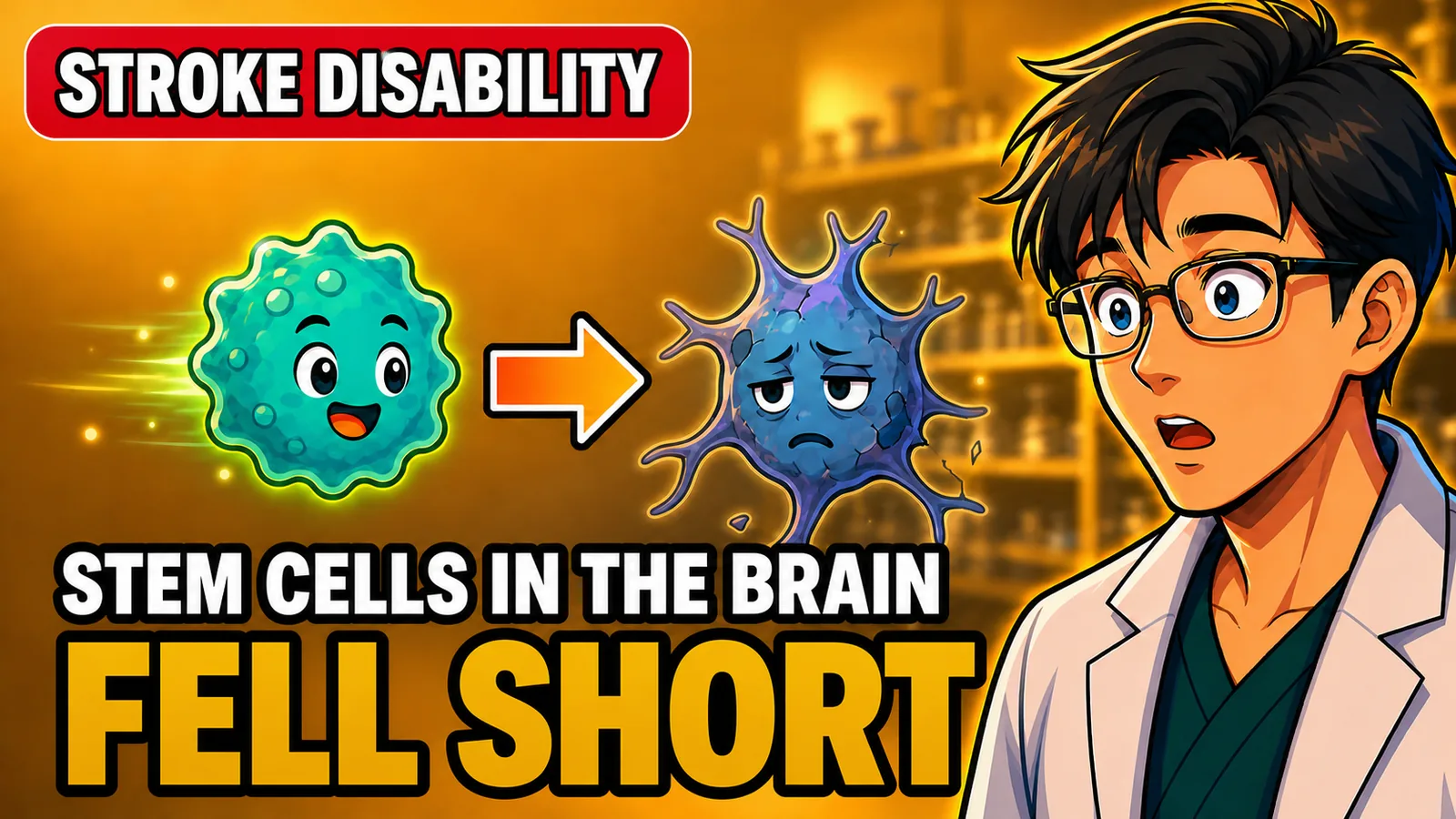
2026-08-04
“The Primary Efficacy Endpoint Was Not Met” — What PISCES-2, Which Implanted Neural Stem Cells into the Brain, Really Left Behind
At eight UK sites, 20 million allogeneic neural stem cells (CTX0E03) were injected into the putamen of 23 stroke patients by stereotactic neurosurgery. The primary endpoint was not met, the randomized trial meant to confirm the findings stopped at 15 patients, and the developer went through administration and delisted. Here is what a single-arm study can and cannot say, read straight from the numbers.
解説を読む →
Stroke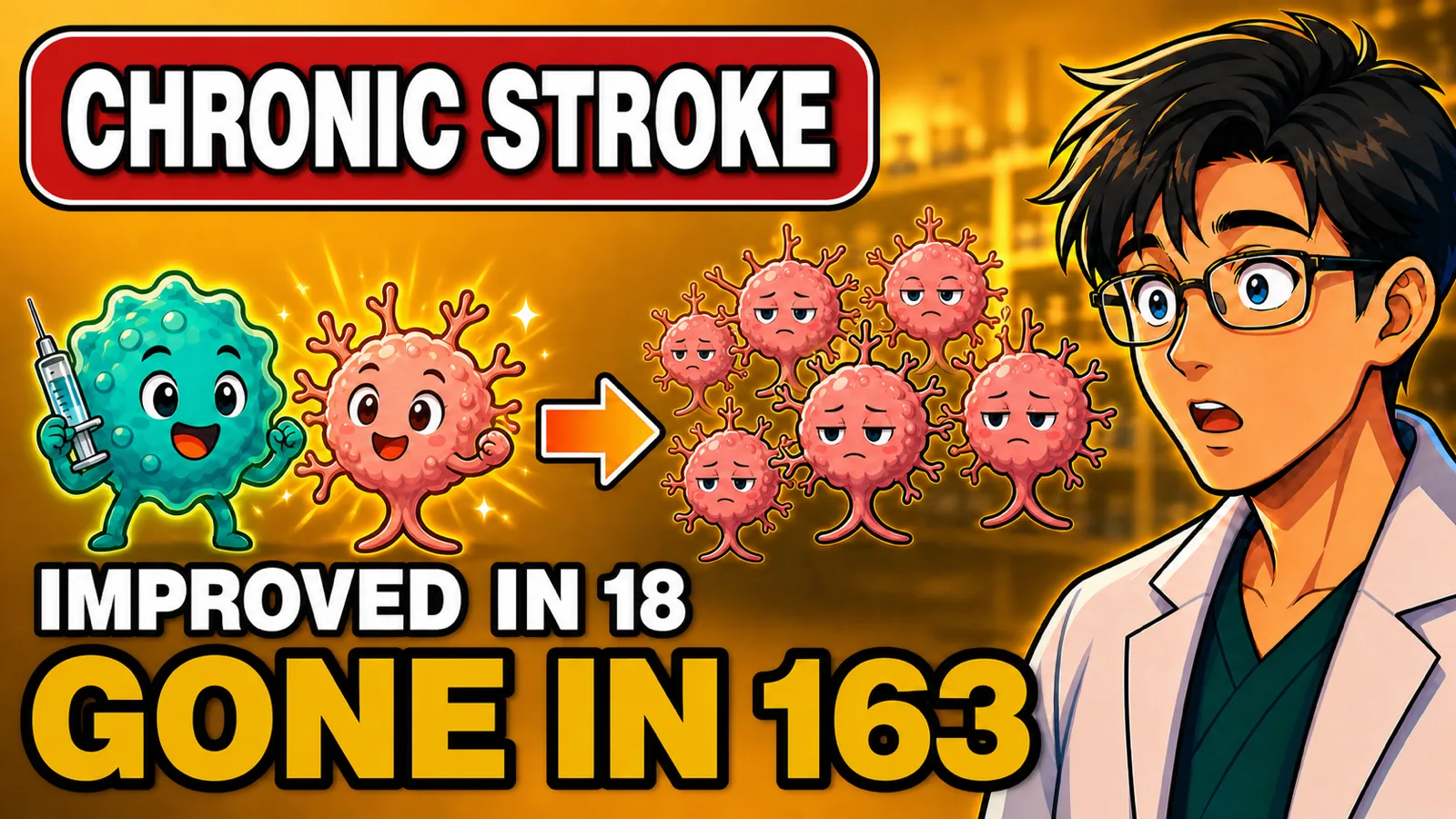
2026-08-04
Leaving Stem Cells Behind in the Chronic Stroke Brain — SB623, Two-Year Results in 18 Patients, and the Reckoning That Came Afterward
An average of 22 months after stroke, paralysis that should no longer move. A phase 1/2a trial implanting genetically modified allogeneic bone marrow MSCs (SB623) around the infarct met its primary endpoint in 18 patients over two years. But there is no control group. Two months later the phase 2b ACTIsSIMA, sham-controlled in 163 patients, missed its primary endpoint (p = 0.6743). The same cells reached approval not in stroke but in the parallel traumatic brain injury trial.
解説を読む →
Extracellular Vesicles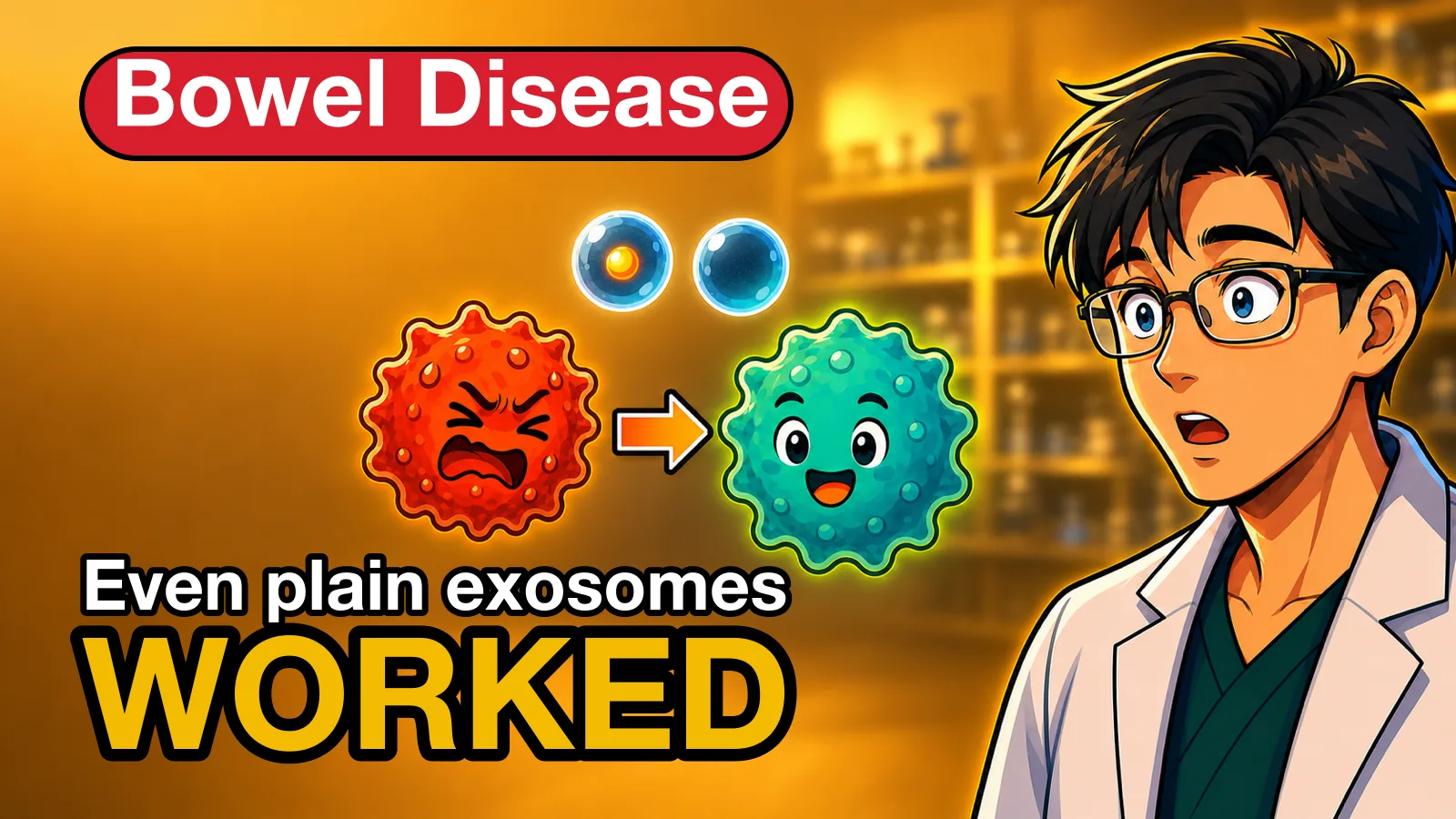
2026-08-03
IL-10 Becomes Harder to Break Down When Loaded onto Extracellular Vesicles — But Naïve Vesicles, With No Gene Added, Calmed Inflammation Too
IL-10, the cytokine that calms inflammation, never quite became a drug: it is unstable and clears from the body fast. A Michigan State University team harvested extracellular vesicles from cells made to overexpress IL-10 with minicircle DNA, and shows they are more stable than recombinant IL-10 and quiet inflammatory macrophages. But naïve vesicles, with no IL-10 gene introduced, worked too. Every experiment is in cultured cells.
解説を読む →
Clinical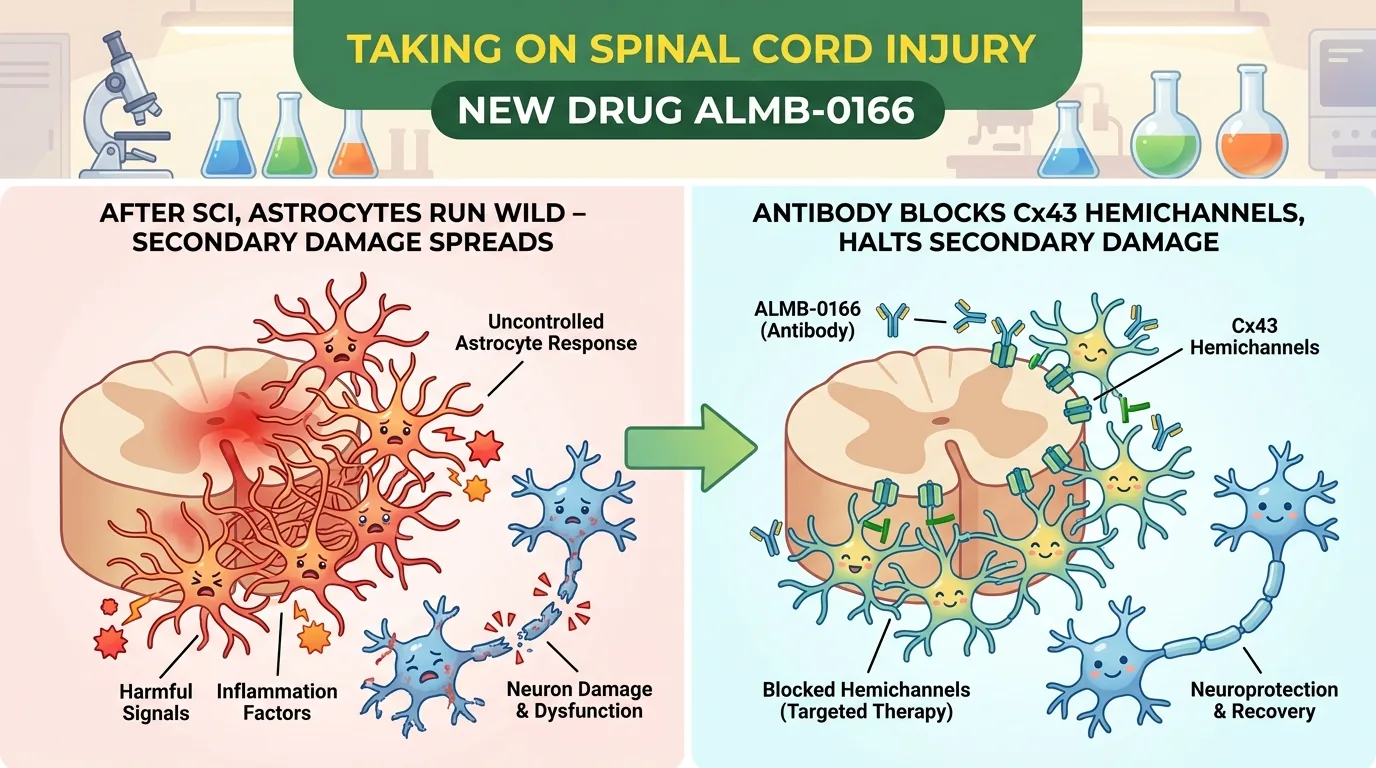
2026-08-01
Antibody ALMB-0166 Calms Overactive Astrocytes — Safety and Early Signals from a First-in-Human Trial in Spinal Cord Injury
ALMB-0166, the first Cx43-hemichannel antibody, given as a single dose to 24 SCI patients: adverse events matched placebo, 1200/2400mg improved scores, two reached AIS E. A small, exploratory result.
解説を読む →
Clinical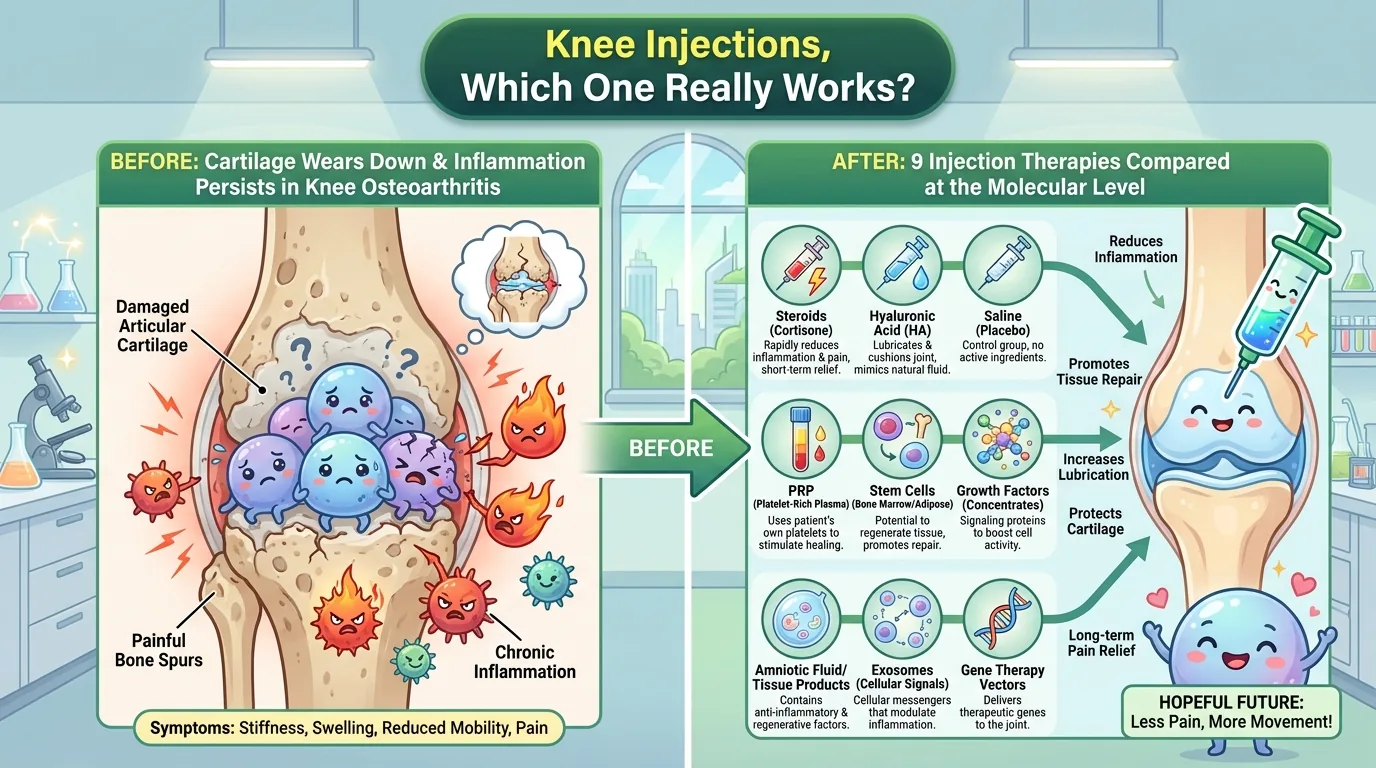
2026-08-01
Knee Joint Injections: Which One Actually Works?—From Steroids to Exosomes, Decoding 9 Treatments at the Molecular Level
A narrative review of knee injections, corticosteroids to exosomes: an RCT tying repeated triamcinolone to cartilage loss, and the evidence-maturity gap across PRP, orthobiologics, MSCs, exosomes.
解説を読む →
Neuroscience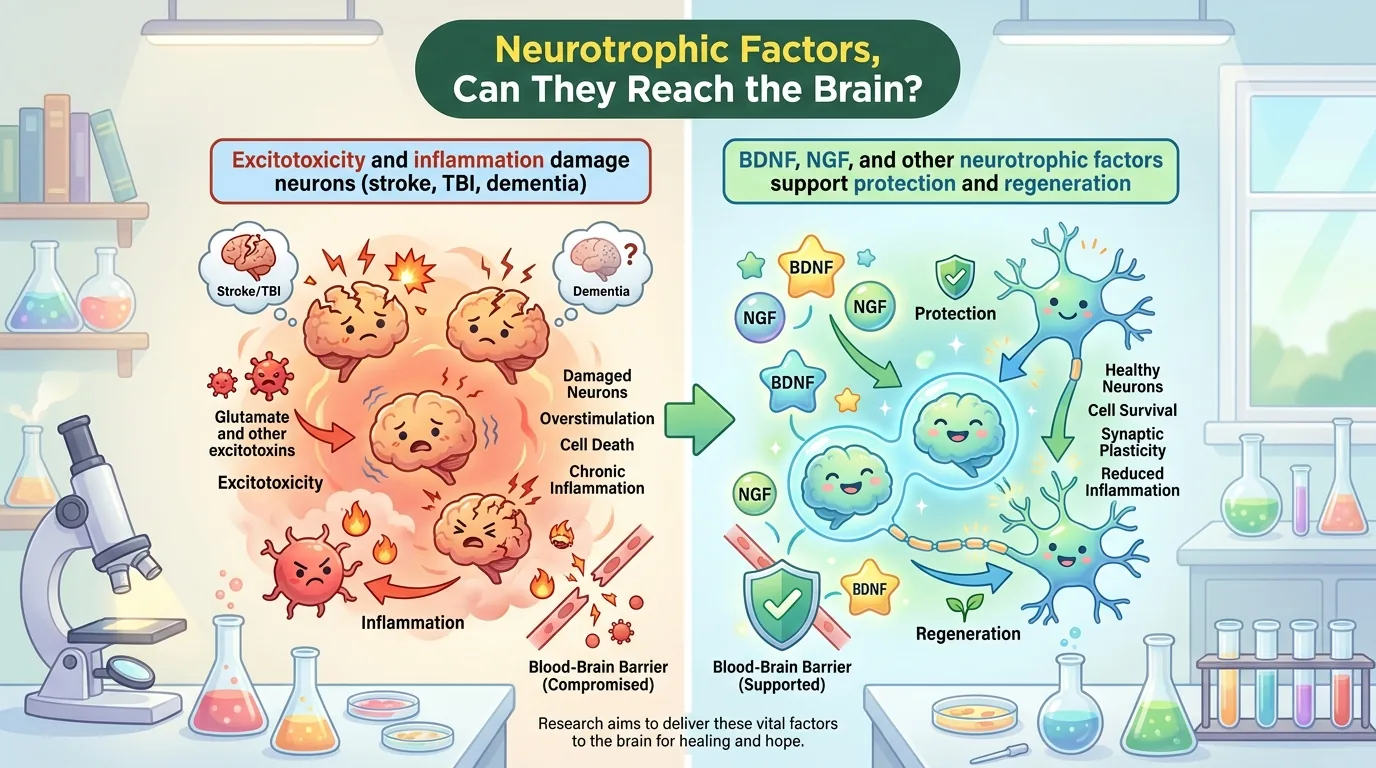
2026-08-01
The 'Neurotrophic Factors' Linking Stroke, Traumatic Brain Injury, and Neurodegeneration — Why Drugs That Should Work Can't Reach the Brain
Stroke, TBI, and Alzheimer's/Parkinson's differ in cause but converge on the same breakdown pathways. Why don't NGF and BDNF work in humans? A Russian team reads the delivery barrier from six trials.
解説を読む →