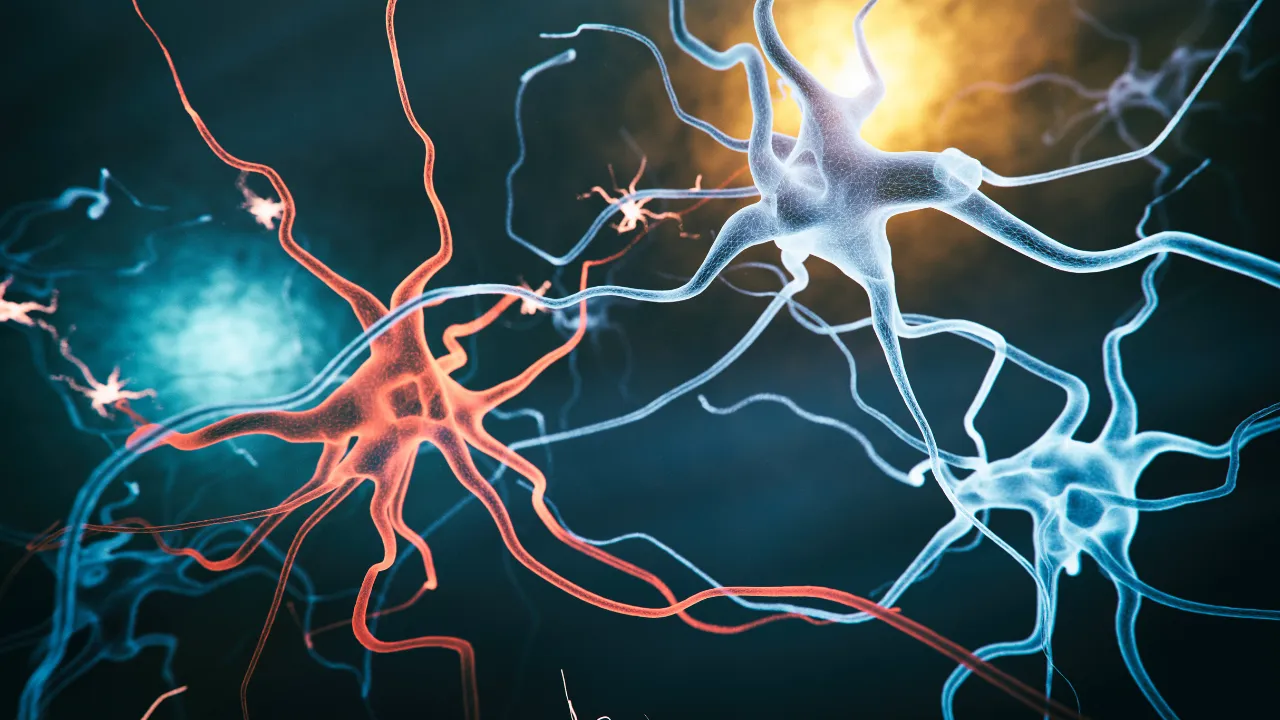
Autophagy plays a role second only to the ubiquitin-proteasome system in the cell’s degradation processes. Autophagy is the process by which unnecessary or harmful materials—such as pathogens, damaged organelles, and aggregated proteins—are transported from inside the cell to the lysosome, where they are broken down. This universal process maintains intracellular balance and preserves the function of the immune system. Basic research to date has suggested the importance of autophagy, given that it is associated with a variety of diseases, including cancer, immune disorders, and neurodegenerative diseases. Interestingly, it has become clear that part of the autophagy system is involved in other processes that do not entail this typical degradation, which are called “noncanonical autophagy.” In the context of neurodegenerative diseases, neurons were long the main focus, but microglia (the brain’s immune cells) are now drawing attention. Because microglia play an important role in brain health, understanding the role of autophagy in these cells is essential. This article aims to provide an overview of the basic findings and latest discoveries regarding the roles of canonical autophagy and noncanonical autophagy in microglia.