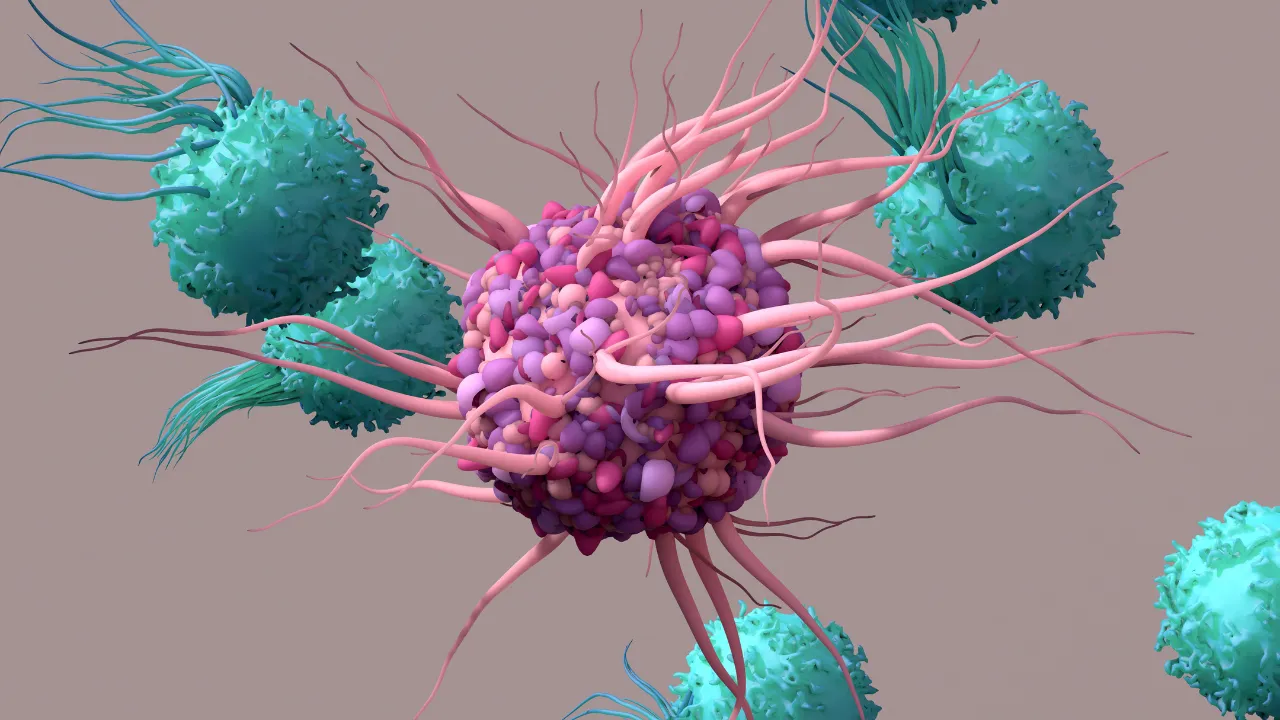
When using extracellular vesicles (EVs) as a therapeutic tool, one issue that must be considered is the problem of immune rejection. Immune rejection is always a concern in cell transplantation, and in the case of allogeneic transplantation (transplanting another person’s cells), the transplanted cells are said to be attacked by the recipient’s immune cells, making it difficult for them to engraft in the body. This is precisely why immunosuppressants must be used in allogeneic stem cell transplantation.
Extracellular vesicles (exosomes) extracted from stem cells have been suggested to solve this problem of immune rejection, making allogeneic transplantation and administration possible. However, exosomes are also said to express the Major Histocompatibility Complex (MHC, major histocompatibility gene complex), which serves as the marker that determines whether immune cells will attack or not. So why are exosomes able to evade attack by immune cells?
This time, we will explain the Major Histocompatibility Complex (MHC), weaving in Mesenchymal Stem Cells (MSC) and exosomes.
Definition and Role of MHC
The Major Histocompatibility Complex (MHC, major histocompatibility gene complex) is a set of genes that encode cell-surface proteins used by the immune system to recognize foreign substances. But why is MHC so important?
The Importance of MHC in the Immune Response
The role of MHC in the immune response is like security screening at an airport. MHC proteins present antigens that serve as “passengers” to T cells, playing the role of quickly handling harmful substances.
MHC is a special protein present on the cell surface that plays an important role in distinguishing self from non-self. The main job of MHC is to capture foreign material inside the cell (for example, parts of pathogens such as viruses or bacteria) and present it on the cell surface. This process provides the “information” that allows other elements of the immune system, especially T cells, to begin an attack.
There are mainly two types of MHC.
MHC class I is present on all nucleated cells (that is, most somatic cells) and mainly identifies virus-infected cells and cancer cells. These cells typically produce abnormal proteins. MHC class I presents these abnormal proteins to T cells.
The cells that recognize MHC (major histocompatibility complex) class I molecules are mainly the following two types:
- CD8+ T cells: These cells recognize antigens presented by MHC class I molecules. CD8+ T cells directly attack abnormal cells such as virus-infected cells and cancer cells. Antigens bound to MHC class I molecules are recognized by CD8+ T cells via the T cell receptor (TCR), and as a result, CD8+ T cells become activated and acquire the ability to kill the targeted cells.
- Innate immune lymphocytes (NK cells): NK cells also recognize MHC class I molecules present on the cell surface. However, NK cells recognize the presence of MHC class I molecules as a sign of “self,” and when they are present, NK cells usually do not attack. But when cells fail to express MHC class I molecules under conditions such as viral infection or cancer, NK cells perceive this as abnormal and attack those cells.
Therefore, CD8+ T cells and NK cells both recognize MHC class I molecules, but there are differences in the method and outcome of that recognition.
On the other hand, MHC class II is mainly present on certain cells that are part of the immune system (called antigen-presenting cells). These cells capture foreign material that has invaded the body, break it down, bind it to MHC class II, and carry it to the cell surface. They mainly present antigens to helper T cells, which initiates the immune response.
Therefore, MHC is the cell’s “flagship,” indicating whether cells are healthy, infected with pathogens, or showing other abnormalities. This allows the immune system to decide which cells to attack and which to ignore. In other words, MHC is an absolutely essential element for controlling the immune response and protecting the body.
Understanding and Characteristics of MSC
Next, let us take a closer look at MSC, the multifunctional stem cell.
The Origin and Function of MSC
MSC arise from the stromal cells of many tissues and have the ability to differentiate into various cell types, playing an important role in the field of regenerative medicine. But what makes them so special? Details are explained here.
Immunomodulatory Properties of MSC
Mesenchymal Stem Cells (MSCs) are known not only for their broad differentiation capacity but also for their powerful immunomodulatory properties. MSCs act on various immune cells and control the immune response by regulating their functions. The immunomodulatory ability of MSCs is extremely important in the medical field, including their role in suppressing inflammatory reactions, in tissue repair, and in applications to the treatment of autoimmune diseases and graft-versus-host disease (GvHD).
Below are several of the mechanisms by which MSCs regulate the immune response.
- Suppression of T cells: MSCs can suppress the proliferation and function of T cells. This is mainly achieved by secreting molecules such as nitric oxide (NO), prostaglandin E2 (PGE2), transforming growth factor β (TGF-β), interleukin 10 (IL-10), and human leukocyte antigen G5 (HLAG5).
- Suppression of B cells: MSCs have been reported to suppress the proliferation, differentiation, and antibody production of B cells. This process also depends on the secretion of PGE2, TGF-β, and IL-10.
- Suppression of natural killer (NK) cells: MSCs suppress the cytotoxicity and proliferation of NK cells. This is mainly achieved by suppressing the effects of interleukin 2 (IL-2) and interleukin 15 (IL-15), and the secretion of PGE2, TGF-β, and interleukin 6 (IL-6) is also involved.
- Suppression of antigen-presenting cells (APCs): MSCs suppress the maturation and function of dendritic cells (a type of APC). By suppressing the expression of MHC class II and costimulatory molecules (such as CD80 and CD86), they reduce the antigen-presenting capacity toward T cells.
Through these mechanisms, MSCs play an important role in controlling the immune response and maintaining an appropriate balance. For this reason, MSCs have become important cells in therapeutic strategies in the fields of immunomodulatory therapy and regenerative medicine.
How Do Immune System Cells Recognize Particles or Whole Cells (for Example, Bacteria or Viruses)?
The mechanisms by which the immune system recognizes and attacks whole cells or particles (for example, bacteria or viruses) are mainly based on the following processes:
- Recognition by Pattern Recognition Receptors (PRRs): Cells of the immune system use specific types of receptors called pattern recognition receptors to recognize structures (patterns) characteristic of foreign material and pathogens. These patterns are known as Pathogen-Associated Molecular Patterns (PAMPs) or Damage-Associated Molecular Patterns (DAMPs).
- Phagocytosis: Some immune cells (for example, macrophages and neutrophils) have the ability to take up entire pathogens such as bacteria. These cells take the pathogen into the cell, break it down with intracellular vesicles called lysosomes, and ultimately destroy it.
- Antigen presentation: Cells that have performed phagocytosis bind a portion of the broken-down pathogen (the antigen) to MHC molecules and display it on the cell surface. T cells that recognize this respond to that antigen and trigger an immune response.
- The role of innate immune lymphocytes (Natural Killer Cells, NK cells): NK cells have the ability to distinguish self cells from non-self cells. When a specific ligand is recognized or when the absence of MHC class I molecules is recognized, NK cells attack that cell.
As described above, the immune system recognizes and attacks viruses, bacteria, parasites, and other pathogens through many different mechanisms. These mechanisms operate in both the early stage (innate immune response) and the later stage (adaptive immune response) of the immune response.
Exosomes: Tiny Particles That Play an Important Role
Exosomes are tiny vesicles that play an important role in intercellular communication. Details are here.
Exosomes in Intercellular Communication
These nano-sized vesicles carry proteins, lipids, and nucleic acids from one cell to another, influencing various physiological and pathological processes. They are like text messages between cells.
MHC Expression on MSC-Derived Exosomes
MHC class1
Exosomes derived from MSC (Mesenchymal Stem Cells) have the ability to carry information such as the proteins, RNA, and DNA of the cell of origin to other cells. Therefore, the MHC class I molecules expressed by the MSC may also be contained in the exosomes.
However, MSC themselves have immunosuppressive properties, and it is known that their expression of MHC class I molecules is relatively low. Therefore, the level of MHC class I within MSC-derived exosomes may also be limited.
In addition, the components contained in exosomes can vary greatly depending on the state of the cell and the culture conditions. Therefore, MSC-derived exosomes may not always contain MHC class I.
MHC class2
Because MSC express almost no MHC class II molecules, MSC-derived exosomes may likewise have limited expression of MHC molecules. As a result, exosomes may become “less visible” to the immune system. However, it is known that MHC expression in MSC changes depending on their environment. In particular, under inflammatory conditions or in the presence of certain cytokines (for example, interferon-γ), MSC have been reported to enhance the expression of MHC class I and class II molecules. Enhanced MHC expression under such circumstances may affect the immunomodulatory function of MSC.
Are MSC Exosomes Themselves Subject to Immune Rejection?
As mentioned earlier, the cells that recognize MHC class 1 were mainly CD8 T cells and NK cells. So, can CD8 T cells and NK cells attack non-self MSC exosomes?
They May Activate CD8 T Cells and NK Cells, but…
CD8+ T cells and NK cells are mainly involved in immune reactions against the cells themselves. While these cells have the ability to attack abnormal cells, they basically do not have the ability to directly attack small particles such as exosomes.
Exosomes are very small vesicles secreted from cells (about 30-150 nm in diameter) that carry the role of transporting multiple biological substances (for example, proteins, lipoproteins, RNA, and DNA). Because of their size and structural characteristics, exosomes are considered difficult for the immune system to recognize as “cells.”
However, because various proteins and antigens are present on the surface of exosomes, they may trigger an immune response. In particular, when exosomes contain non-self antigens or are secreted from abnormal cells, these antigens may be recognized by antigen-presenting cells (APC) and, as a result, may trigger the activation of T cells. Therefore, while it is possible for exosomes to indirectly induce a CD8+ T cell response, a direct “attack” does not occur.
Similarly, NK cells do not directly attack exosomes. NK cells mainly play the role of recognizing and attacking cells, and their activity is mainly regulated by the presence or absence of MHC class I molecules on the cell surface. However, the possibility that exosomes are indirectly involved in the activation of NK cells is not yet fully understood.
Expression of Costimulatory Molecules Is Also Low
Costimulatory molecules refer to a set of molecules that provide the second signal necessary to promote the activation of T cells. These molecules are present on antigen-presenting cells (APC) and assist in the activation of T cells when antigen recognition by the T cell receptor (TCR) (the first signal) alone is insufficient. Specific costimulatory molecules include the following:
- CD28: CD28, present on T cells, interacts with the B7 molecule family (CD80 or CD86) on APC. This is a typical costimulatory interaction that promotes the activation and proliferation of T cells.
- CD40L (CD154): CD40L on T cells interacts with CD40 on APC and assists in the activation of T cells. The CD40-CD40L interaction is particularly important between helper T cells (CD4+ T cells) and B cells.
- ICOS (Inducible Costimulator): ICOS is a molecule on T cells belonging to the CD28 family that binds to ICOSL on APC. The ICOS signal is particularly important for the function of follicular helper T cells.
These are just one example; many other costimulatory molecules exist. Moreover, each molecule plays a role specialized for a specific immune response or cell type.
However, the expression of CD28, CD154 (CD40L), and ICOS on Mesenchymal Stem Cells (MSC) is generally considered to be very low or absent.
In general, these molecules are mainly expressed on T cells and antigen-presenting cells (APC) and play an important role in controlling the immune response. For example, CD28 and CD154 (CD40L) are mainly found on T cells, and ICOS is found particularly on activated T cells.
Therefore, these molecules are not usually considered to be expressed on MSC. This is because MSC play their own role in interactions with the immune system and, as part of that, have a specific expression pattern of cell-surface molecules.
What Is the Mechanism by Which MHC Causes Immune Rejection?
The mechanism by which MHC (major histocompatibility complex) molecules cause an immune rejection reaction is as follows.
- MHC class I and class II molecules have the role of conveying the state of the cell in which they are present to the body’s immune system. Specifically, they capture peptides generated within the cell and display them on their own surface, thereby conveying that information to immune cells such as T cells.
- Normally, peptides bound to self MHC molecules are not recognized as foreign by the self immune system and are not attacked. However, in the case of transplantation, when the types of MHC molecules do not match between the donor and the recipient, the donor’s MHC molecules are recognized as “non-self” within the recipient’s body.
- The recipient’s immune system regards the donor-derived “non-self” MHC molecules as foreign and initiates an immune response against them (an attack by T cells). This becomes the basic mechanism of graft-versus-host disease (Graft-versus-Host Disease, GvHD) and graft rejection reactions.
- To prevent this reaction, the compatibility of MHC molecule types between donor and recipient is evaluated before transplantation. The higher this evaluation, the lower the risk of graft rejection reaction is considered to be.
Therefore, the compatibility of MHC molecules is an important factor in the success of transplantation. However, by using immunosuppressive drugs to control the body’s immune reaction, transplantation may be possible even when the compatibility of MHC molecules is not perfect.
These findings open new prospects for research in immunology, exosome biology, and the therapeutic application of MSC.
Conclusion
Understanding the relationship between MHC expression on MSC-derived exosomes and autoimmune rejection reactions is important for harnessing the therapeutic potential of MSC and exosomes. The complex interplay of these elements fascinates researchers like the intricate steps of a ballet, promising exciting leaps forward in the future.
Frequently Asked Questions
1. What is MHC? MHC is a set of genes that encode cell-surface proteins used by the immune system to recognize foreign substances.
2. What are the specific characteristics of MSC? MSC are stem cells that arise from the stromal cells of many tissues and have the ability to differentiate into various cell types. They also have properties that regulate the immune response.
3. How do exosomes participate in intercellular communication? Exosomes carry proteins, lipids, and nucleic acids from one cell to another, playing an important role in the transmission of information between cells.
4. How does MHC expression on MSC-derived exosomes affect immune rejection reactions? MHC expression on MSC-derived exosomes affects interactions with immune cells and may trigger immune rejection reactions.
5. How might the significance of these interactions affect future research and treatment? Understanding these interactions may open new prospects for research in immunology, exosome biology, and the therapeutic application of MSC.
Reference Papers
- Phinney, D. G., & Pittenger, M. F. (2017). Concise Review: MSC‐Derived Exosomes for Cell‐Free Therapy. Stem Cells, 35(4), 851-858.
- This paper focuses on the cell-free therapy of MSC-derived exosomes. It also addresses the immunomodulatory ability of exosomes and how MSC-derived exosomes affect the immune response.
- Del Fattore, A., Luciano, R., Pascucci, L., Goffredo, B. M., Giorda, E., Scapaticci, M., … & Muraca, M. (2015). Immunoregulatory Effects of Mesenchymal Stem Cell-Derived Extracellular Vesicles on T Lymphocytes. Cell Transplantation, 24(12), 2615-2627.
- This paper explains in detail the immunomodulatory effects of MSC-derived exosomes on T lymphocytes.
- Di Trapani, M., Bassi, G., Midolo, M., Gatti, A., Kamga, P. T., Cassaro, A., … & Adamo, A. (2016). Differential and transferable modulatory effects of mesenchymal stromal cell-derived extracellular vesicles on T, B and NK cell functions. Scientific Reports, 6, 24120.
- This paper investigates in detail how exosomes from MSC affect the functions of T cells, B cells, and NK cells.
These papers each study the relationship between MSC-derived exosomes and immune cells from a different angle, and they should be useful for deepening our understanding of whether MSC-exosomes are attacked by immune cells. However, according to current scientific knowledge and understanding, the answer is that MSC-derived exosomes mainly have immunomodulatory effects and are considered unlikely to be attacked by immune cells.