Category
7 Neuroscience
Neuroscience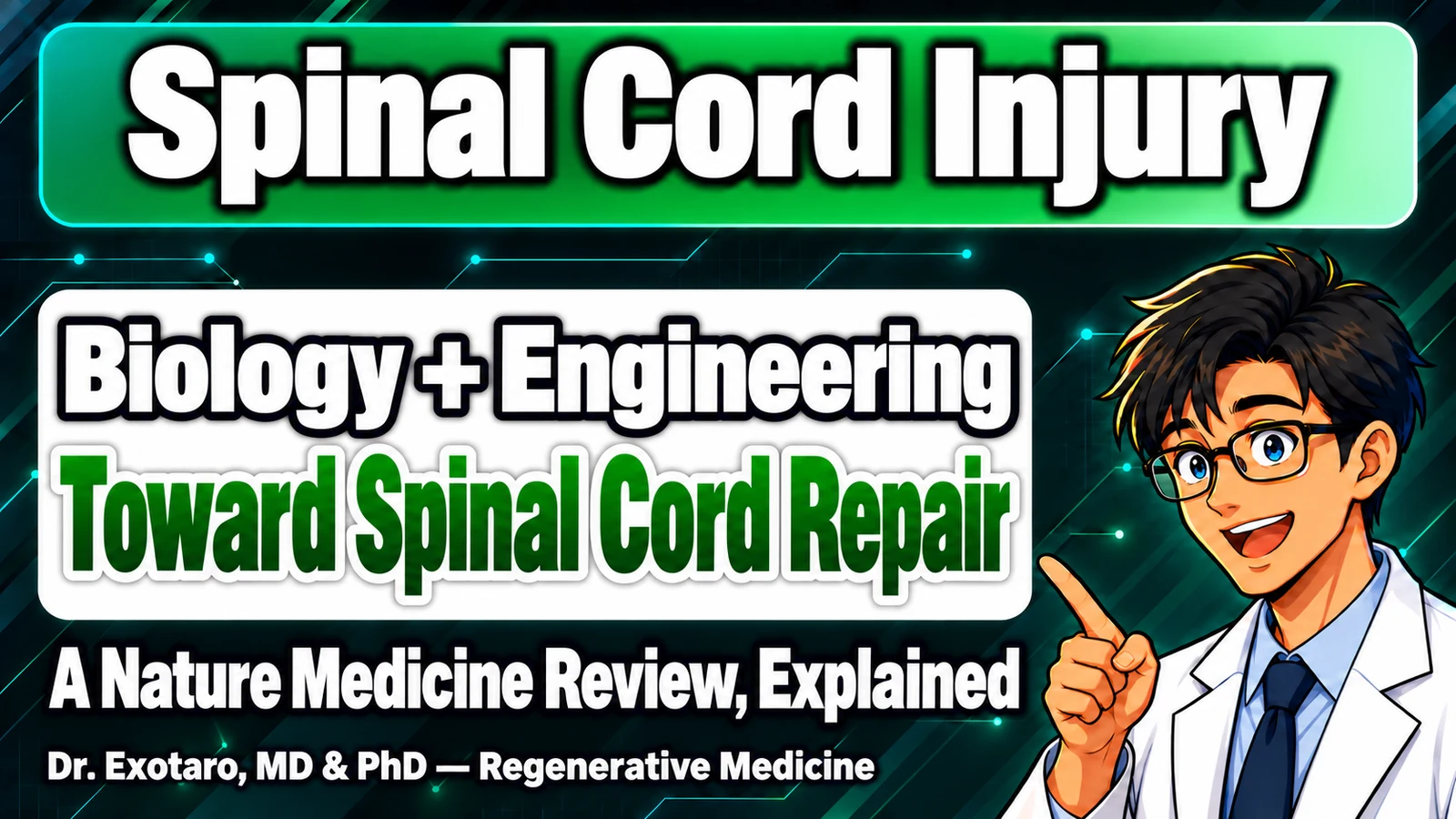
2026-10-11
The Original Wiring May Not Be Essential—in Repairing Spinal Cord Injury, the Question Is "When" to Combine Biology and Engineering
Unless the severed wiring is reconnected exactly as it was, there can be no recovery from spinal cord injury—decades of research have been shaking this premise. Biology that grows and guides; engineering that wakes dormant circuits and trains them. A 2019 review in Nature Medicine lays these two toolboxes side by side and argues that combinations should be designed not as simple addition but around the interactions between mechanisms and their timing. Dr. Exotaro reads it, adding what has happened since, up to 2026.
解説を読む →
Neuroscience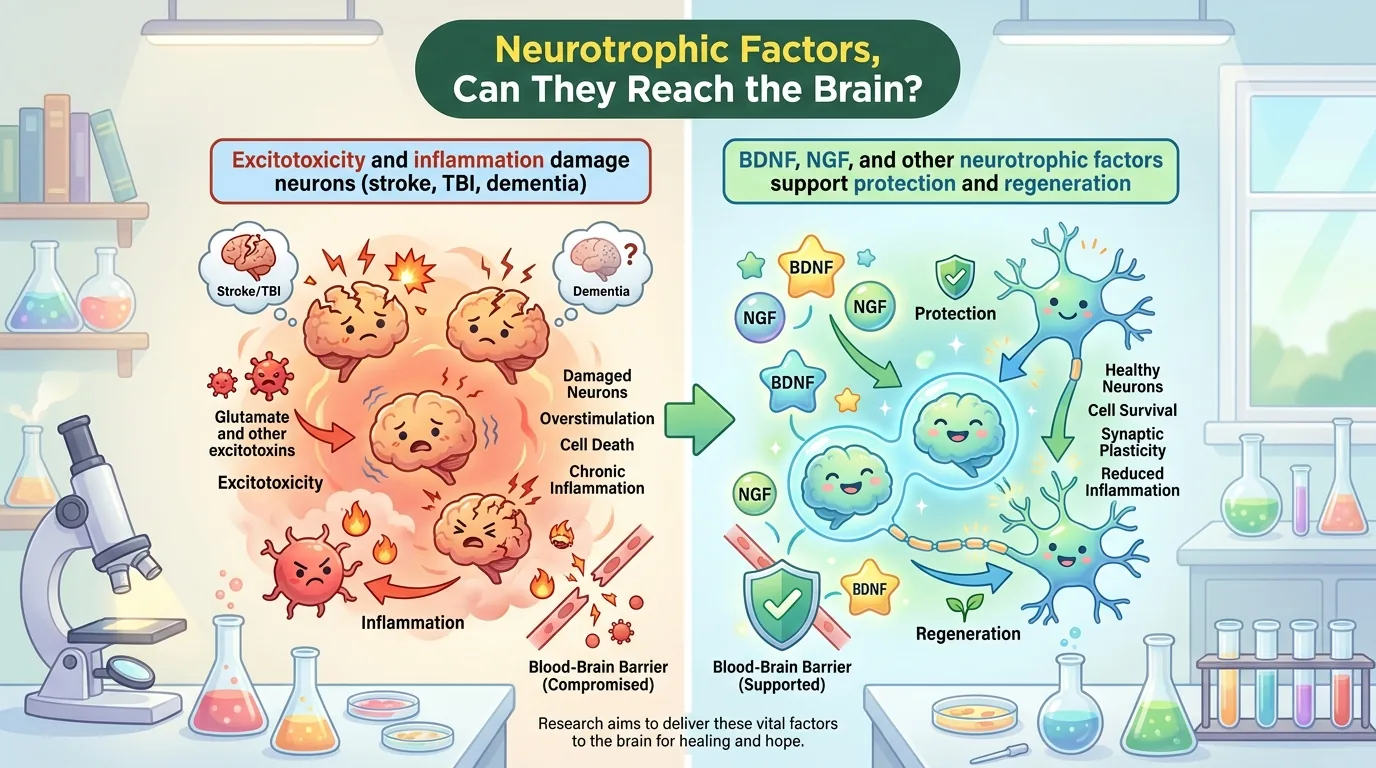
2026-08-01
The 'Neurotrophic Factors' Linking Stroke, Traumatic Brain Injury, and Neurodegeneration — Why Drugs That Should Work Can't Reach the Brain
Stroke, TBI, and Alzheimer's/Parkinson's differ in cause but converge on the same breakdown pathways. Why don't NGF and BDNF work in humans? A Russian team reads the delivery barrier from six trials.
解説を読む →
Neuroscience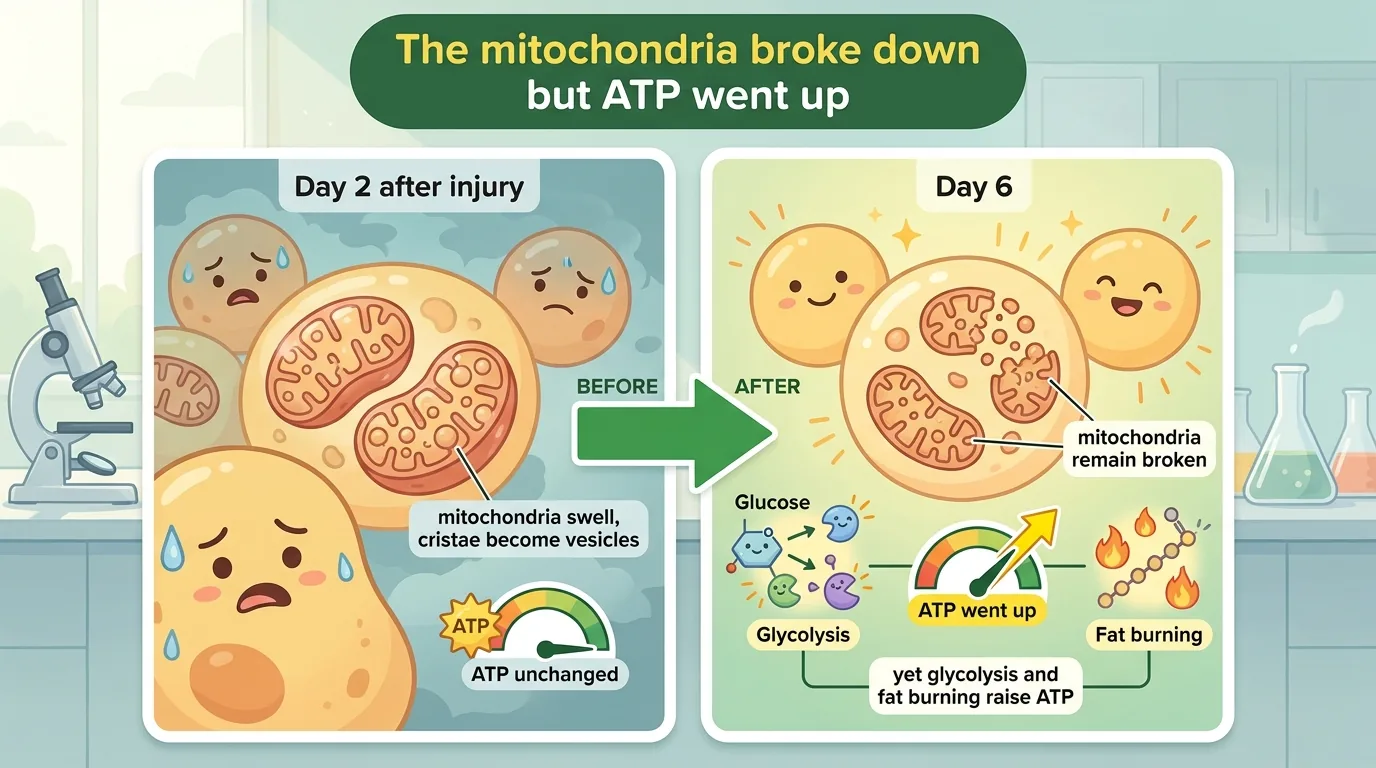
2026-07-25
The Mitochondria Were Broken, Yet ATP Went Up — What Was Happening in the Spinal Cord of a Frog That Cannot Regenerate
A tadpole whose spinal cord is severed will regenerate; after metamorphosis, the same frog cannot, and its response closely resembles that of humans. In Chile, Dr. Slater and colleagues showed that on the non-regenerating side, mitochondria swell by day 6 after injury, cristae turn into vesicles, and the respiratory enzyme COX shuts down. Yet ATP did not fall — it rose. Genes for glycolysis and genes that mobilize fat were both switched on. That said, the extra ATP may simply have leaked out of damaged tissue. Dr. Exotaro reads this preclinical frog study.
解説を読む →
Neuroscience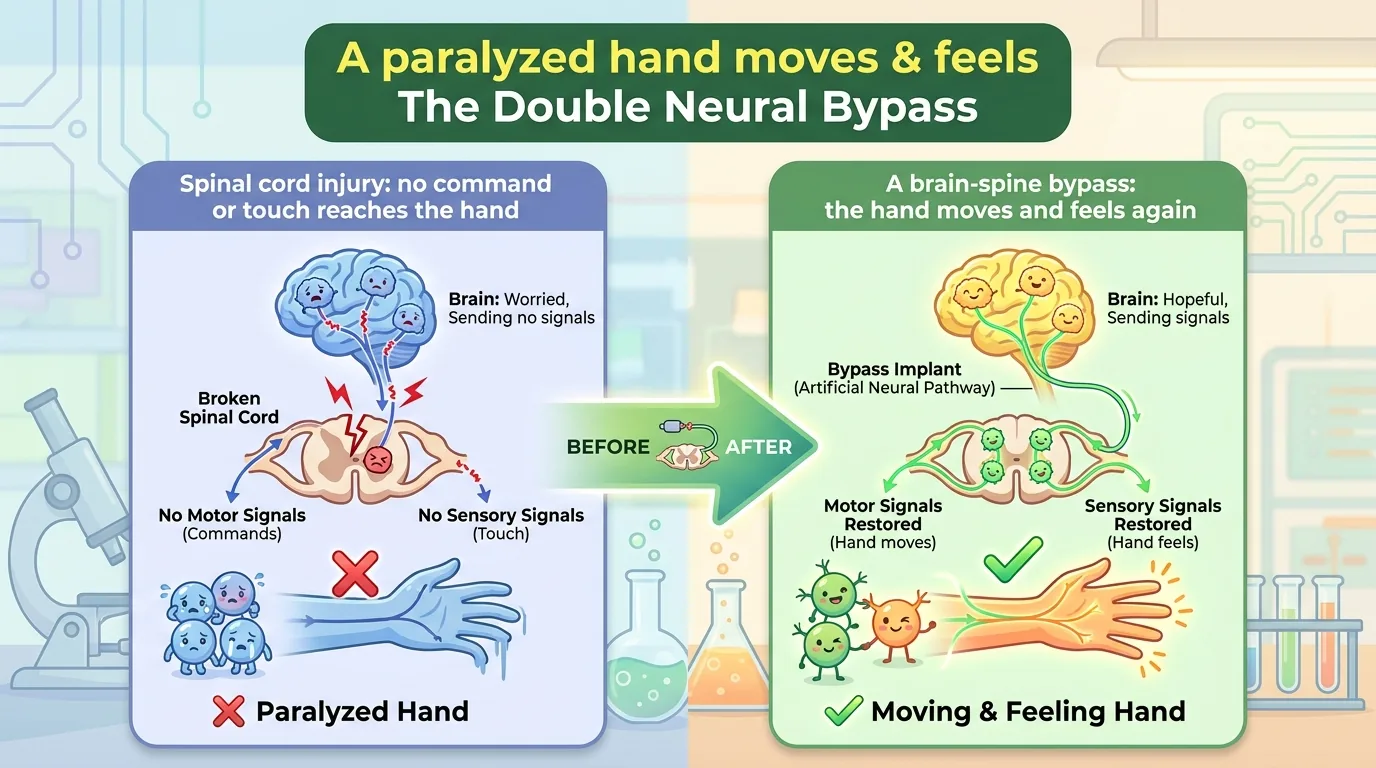
2026-07-21
Move Your Own Hand by Thought Alone, and Feel It Touch: A 'Double Neural Bypass' Takes On Complete Spinal Cord Injury
A man paralyzed from the neck down can now move his own hand by thought alone and even feel the texture of what he grips. A team at the Feinstein Institutes for Medical Research has developed a 'double neural bypass (DNB)' that bridges the brain to the spinal cord and cortex at the same time. While the device is on, it takes over hand movement and touch (assist); through electrical-stimulation training it also drew out recovery that persists even after the device is switched off (therapy). Cracking an egg without breaking it, feeding himself, feeling a dog's fur again through a once-paralyzed wrist—Dr. Exotaro unpacks this landmark first-in-human study.
解説を読む →
Neuroscience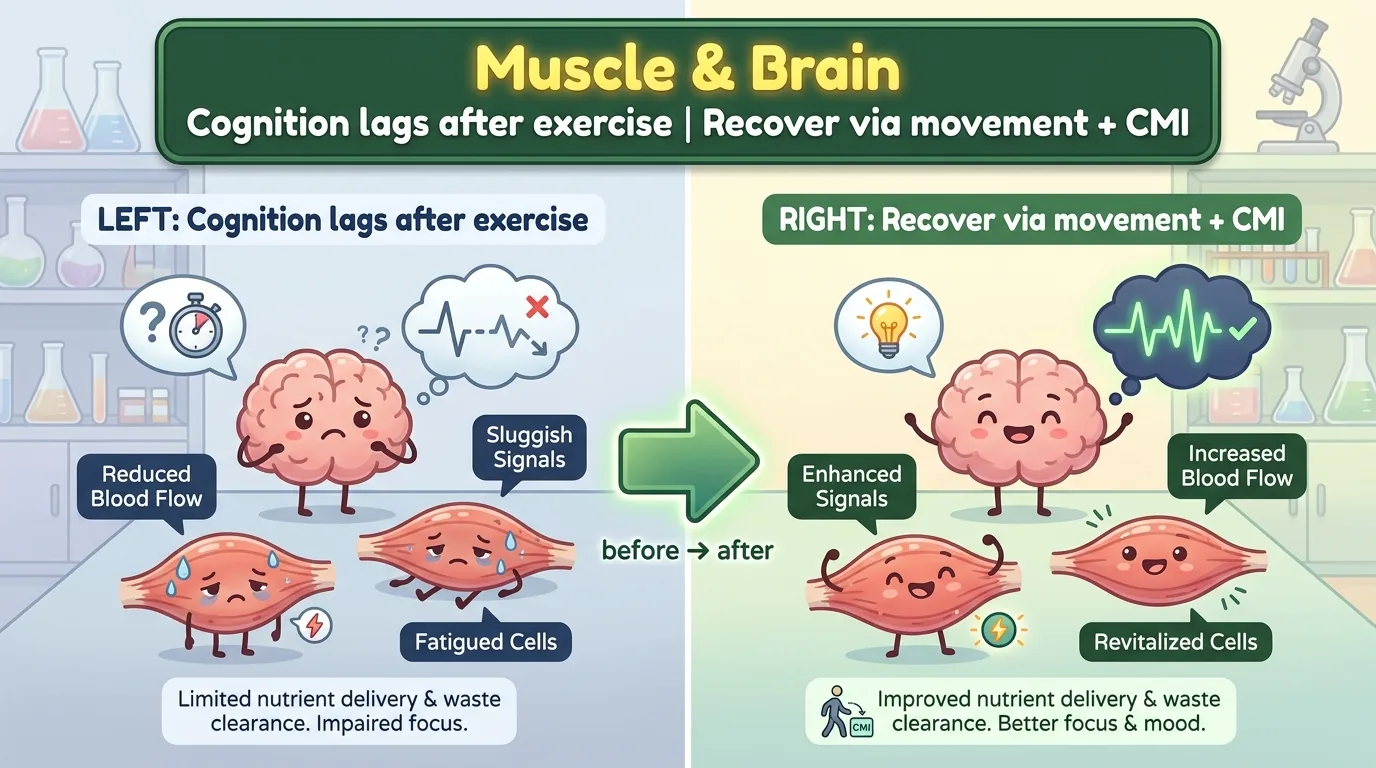
2026-07-12
Rewiring the Link Between "Muscle" and "Brain"—Cognitive-Motor Integration (CMI), the Key to Reclaiming Cognition Through Exercise in Neurological Disease
Exercise reaches the brain through peripheral signals—BDNF, lactate, immune and vascular messengers. But a biomarker "moving" is not the same as cognition returning. An Italian neurorehabilitation team offers an integrative model: the biological effects of exercise become clinically meaningful only when they couple to attention-demanding movement and surface as a behavior called cognitive-motor integration (CMI). Exotaro unpacks a review that surveys the differences across stroke, Parkinson's, MS, and TBI, and how to deploy VR, robots, and wearables.
解説を読む →
Neuroscience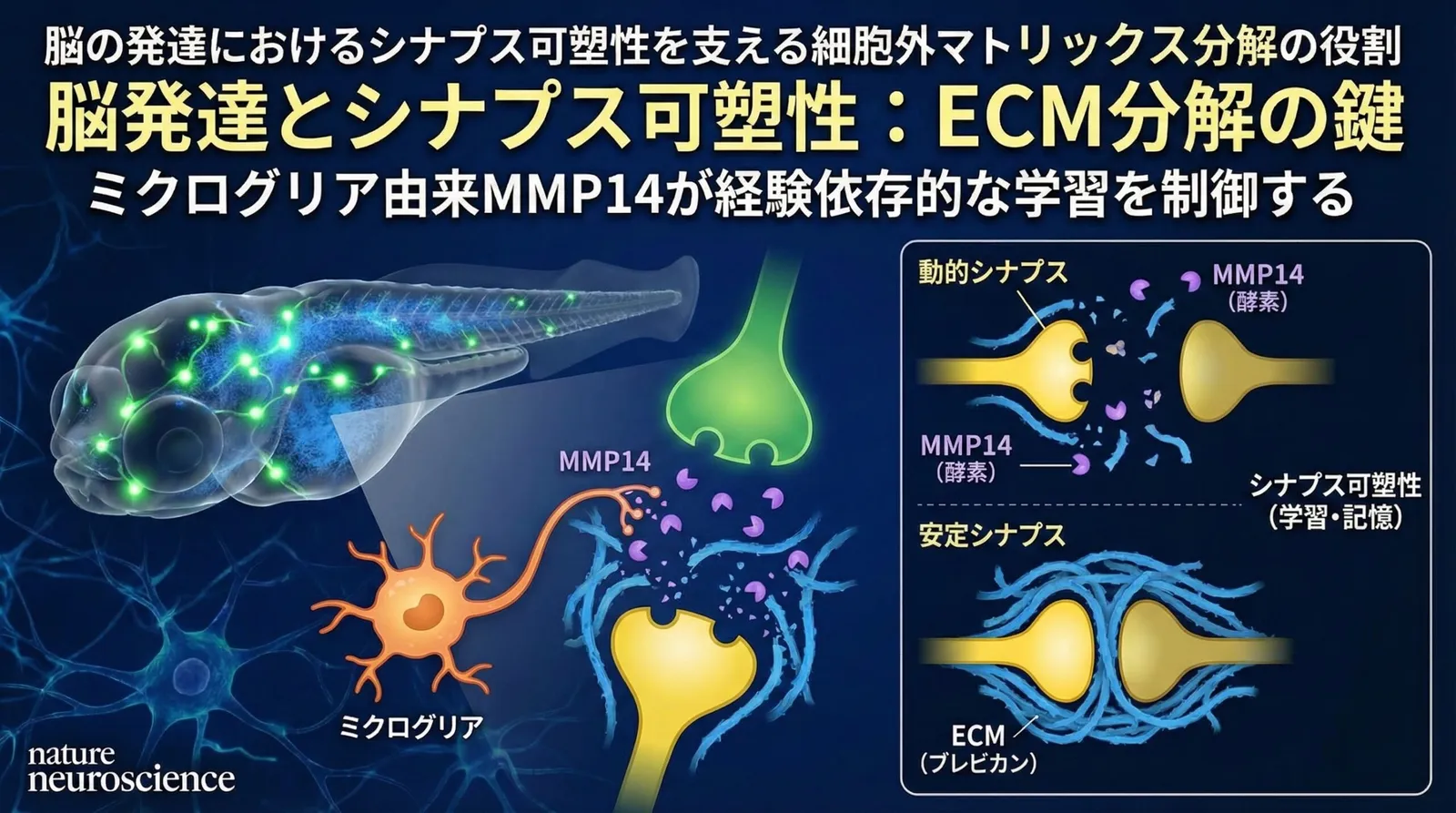
2026-01-05
The Role of Extracellular Matrix Degradation in Supporting Synaptic Plasticity During Brain Development
Using the zebrafish brain, this study reveals the crucial role that degradation of the extracellular matrix (ECM) plays in synaptic plasticity during brain development.
解説を読む →
Neuroscience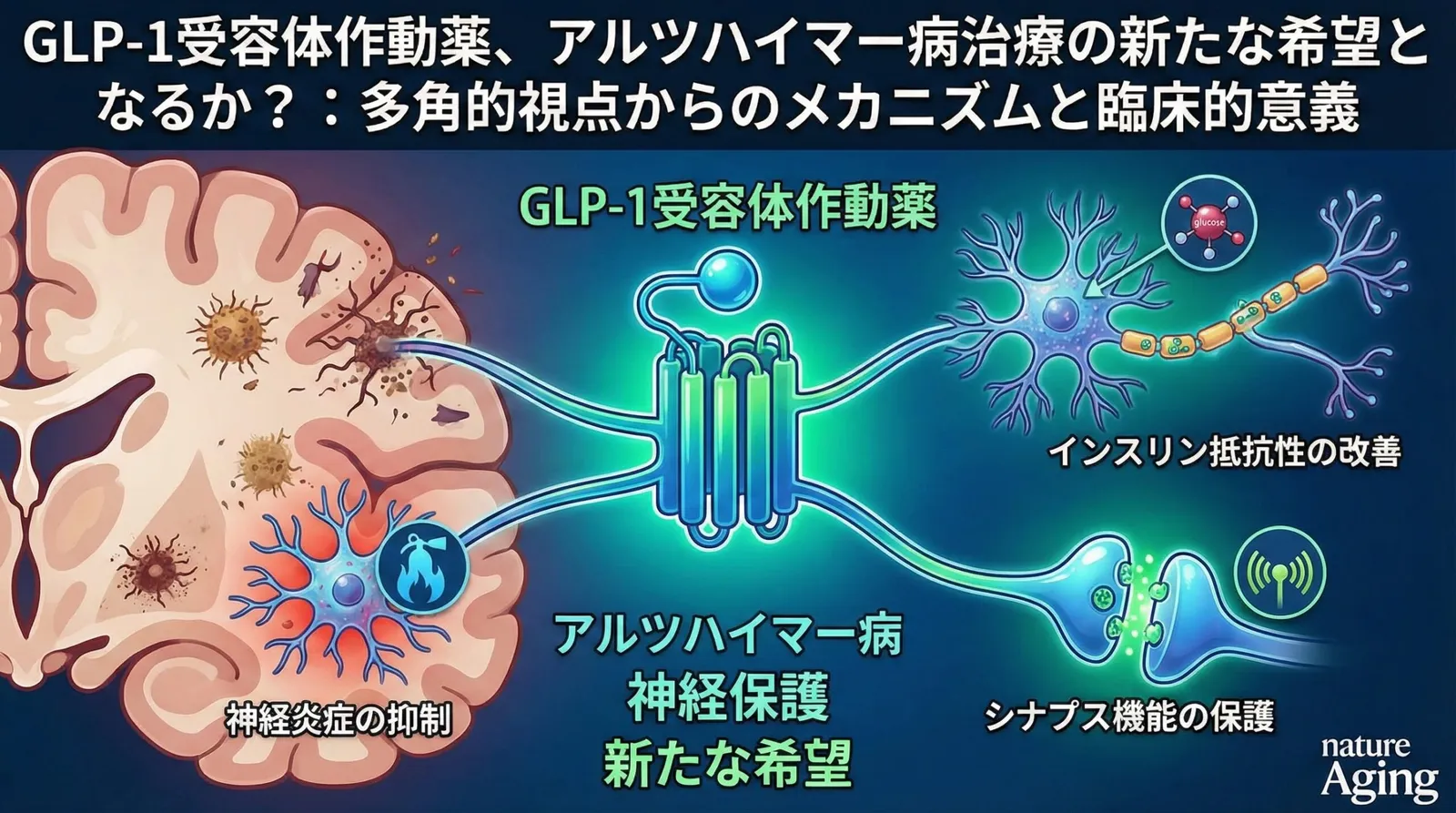
2026-01-05
GLP-1 Receptor Agonists: A New Hope for Alzheimer's Disease Treatment? Mechanisms and Clinical Significance from Multiple Perspectives
GLP-1 receptor agonists (GLP-1RA), approved for type 2 diabetes (T2D), obesity, and cardiovascular disease, are now drawing attention as potential therapies for Alzheimer's disease (AD).
解説を読む →